
Review custom hip hop jewelry concepts with a natural-material point of view
Purapeelo reviews custom hip hop jewelry concepts from brands, boutiques, wholesalers and distributors through its natural freshwater pearl and semi-precious stone focus. Bring a pendant, bracelet, necklace, earring or collection reference, then share your material preferences, sizes, quantities and destination. We review the project scope, develop samples where applicable, and confirm specifications before production.
Explore natural-material jewelry references
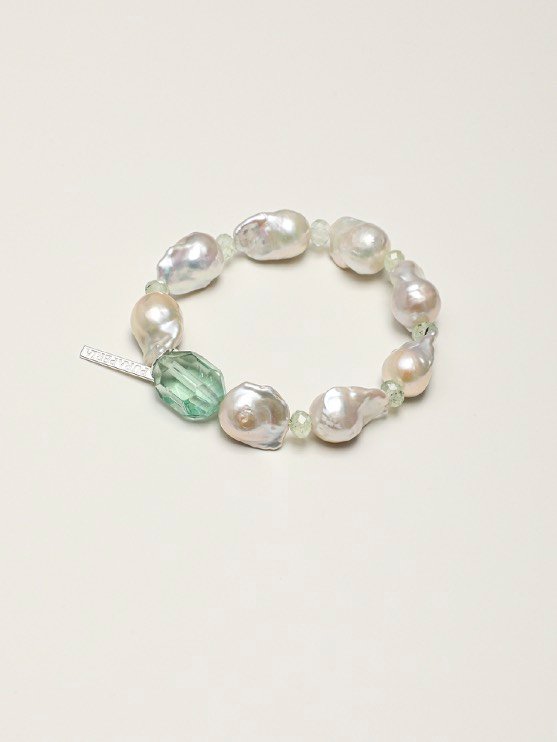
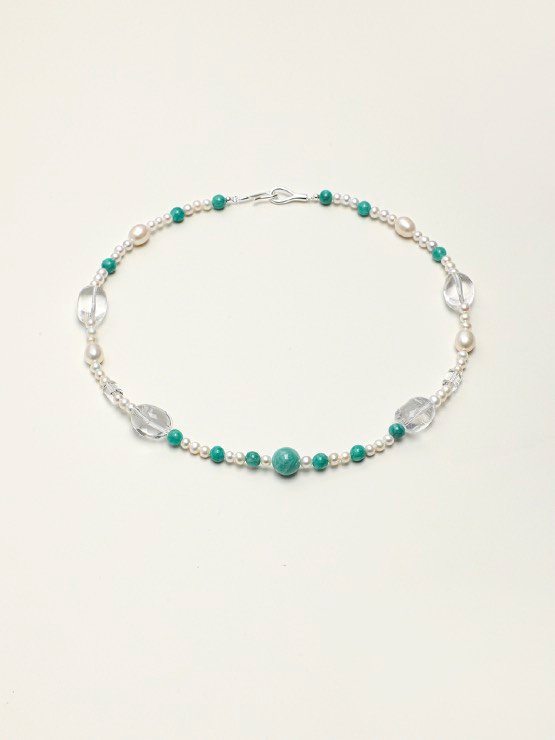
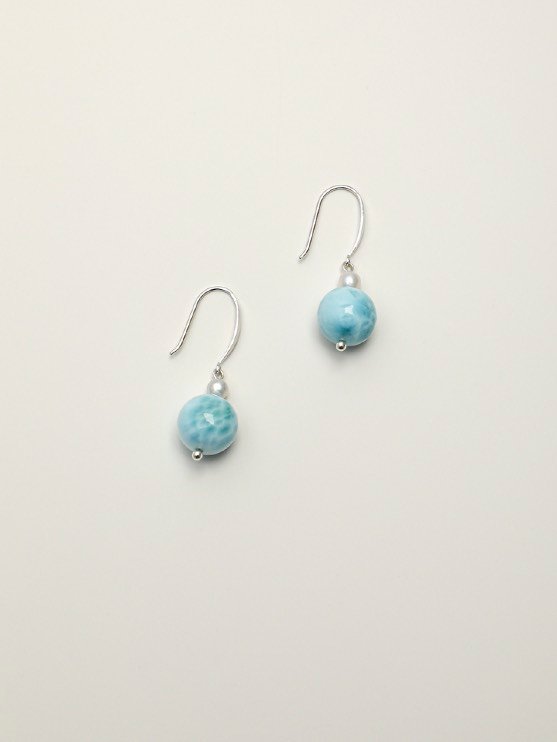
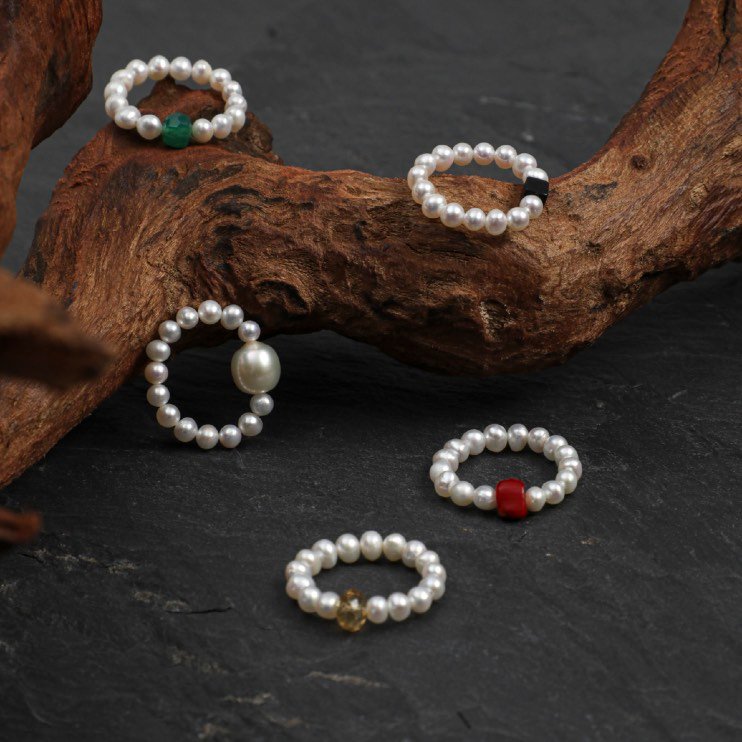
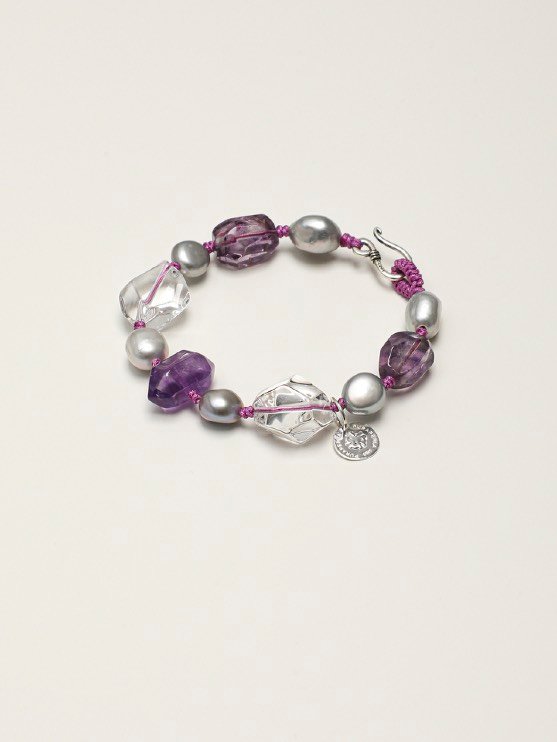
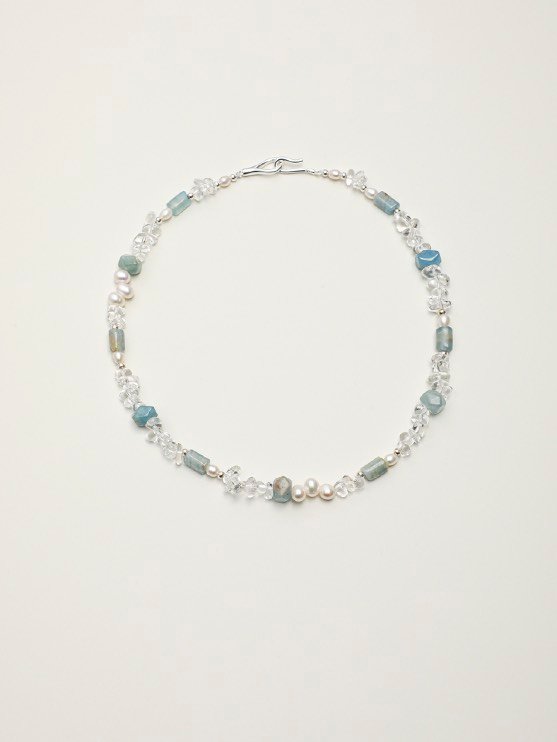
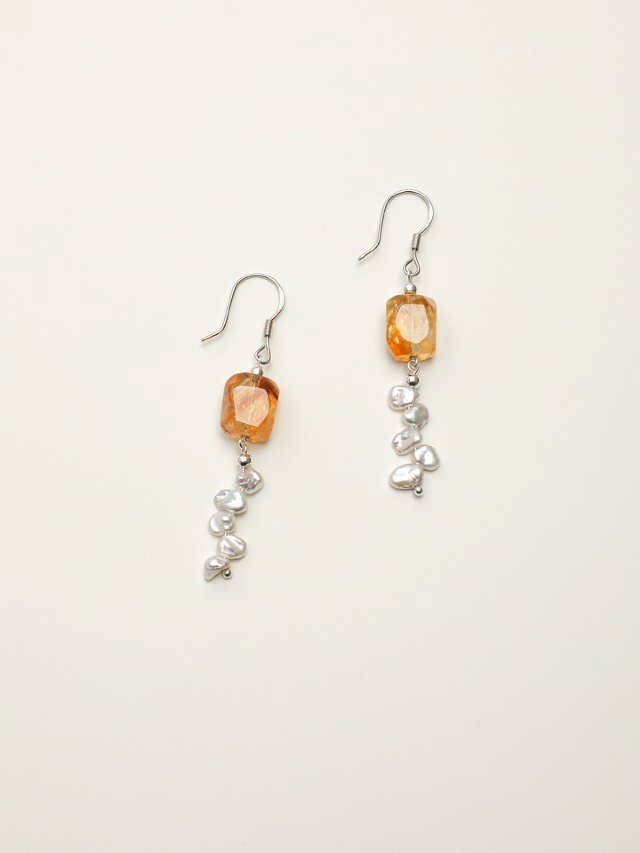
Browse ready-stock pearl and stone jewelry
These published catalog styles are available for wholesale inquiries. Choose a design and quantity, or send a separate custom-development brief for your specifications.

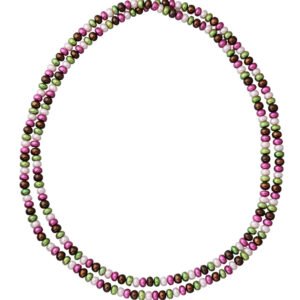
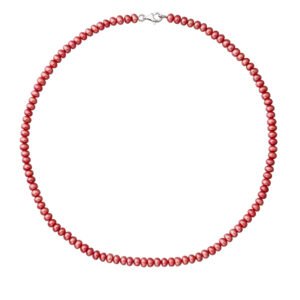
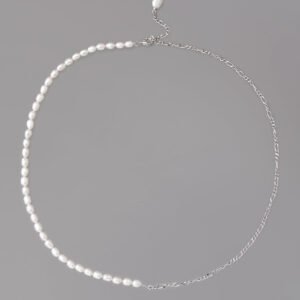
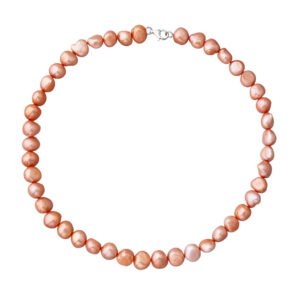
Natural materials for distinctive custom jewelry
Purapeelo combines material selection, design development and manufacturing coordination for business buyers building original pearl and semi-precious stone jewelry.
Design-Led Project Review
Share sketches, references or a collection direction for a practical review of your custom jewelry concept.
Natural Pearl and Stone Focus
Develop jewelry around natural freshwater pearls and semi-precious stones including crystal, quartz, agate and lapis lazuli.
Sample-Based Development
Confirm the selected materials, dimensions and design details through the agreed sampling and approval process.
OEM, ODM and Private Label
Discuss OEM, ODM or private-label cooperation when the project requirements and scope are defined.
Project-Specific Commercial Terms
Quotations and MOQ discussions reflect the design, materials, complexity, quantities and destination of the actual project.
Collection Coordination
Work with the Purapeelo Team from inquiry and material review through production, inspection and future reorders.
Options for custom hip hop jewelry
Use these options to describe your request. Photos illustrate materials or design forms. Confirm exact specifications and availability with our team.
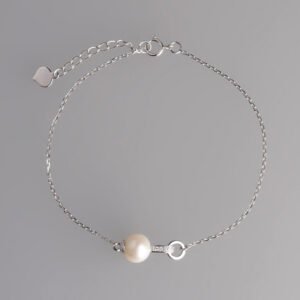
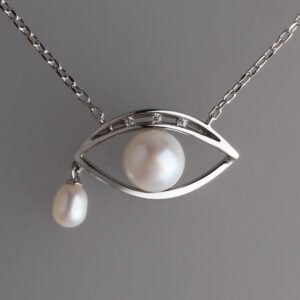
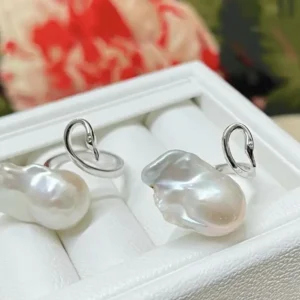

Choose the materials behind your statement
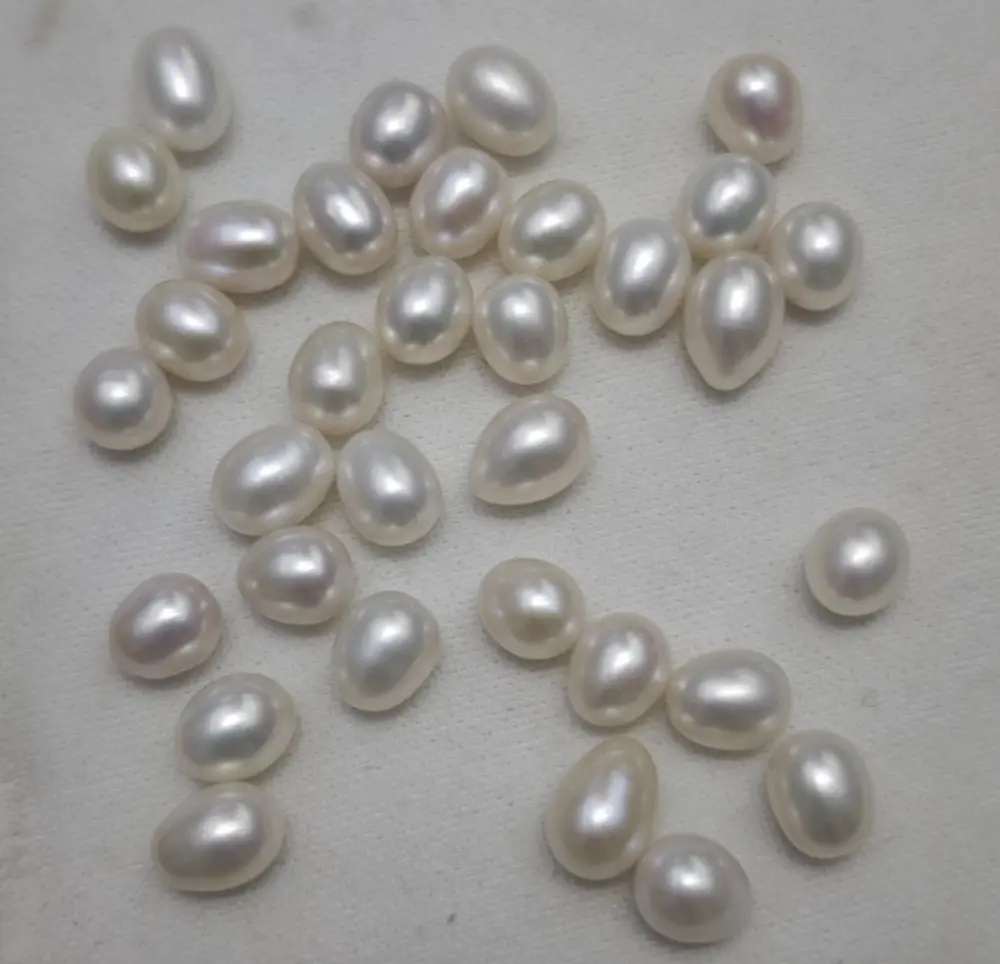
Freshwater Pearls
Develop a pearl-led collection with natural freshwater pearls. Discuss the shape, color, size and visual character you want, and keep the selected pearl specification with your approved sample.
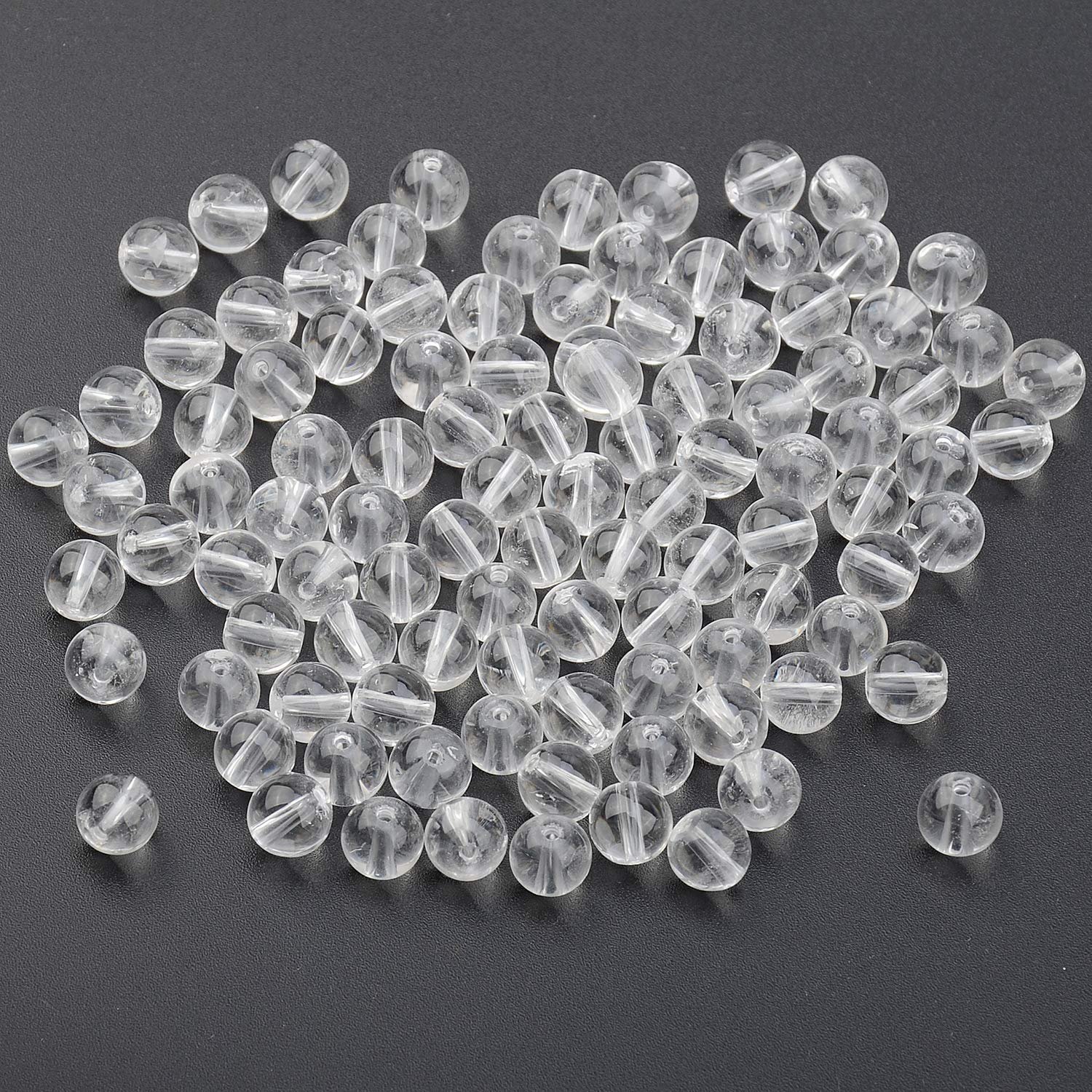
Clear Crystal & Quartz
Use clear crystal or quartz to introduce light and contrast alongside pearls or colored stones. Specify bead shape, dimensions and placement when discussing a new design or a change to a catalog style.
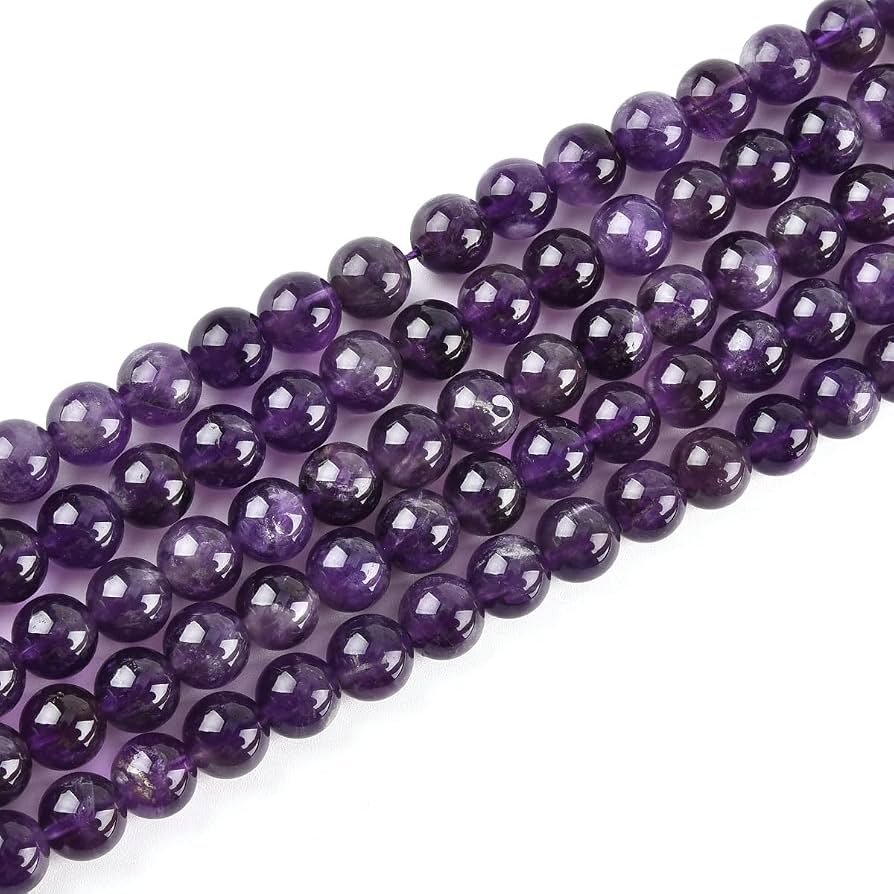
Amethyst
Bring purple tones into a pearl and gemstone collection. Amethyst appears in our supplied designs; discuss the bead form, color direction and arrangement you want for your own collection.
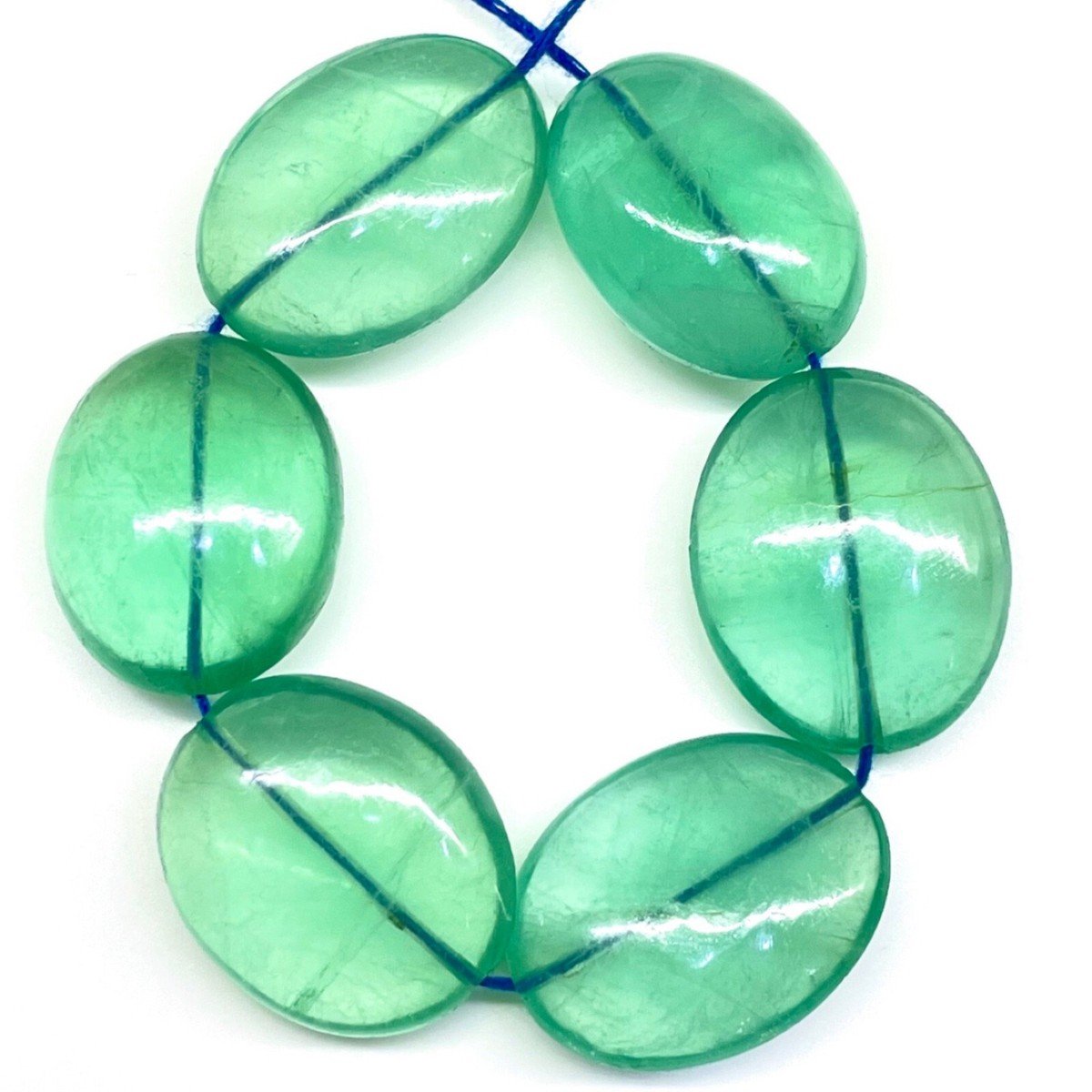
Fluorite
Explore green fluorite for a softer gemstone palette. Our supplied catalog includes fluorite-and-pearl designs. Send the preferred shape, size and color reference for a custom material review.
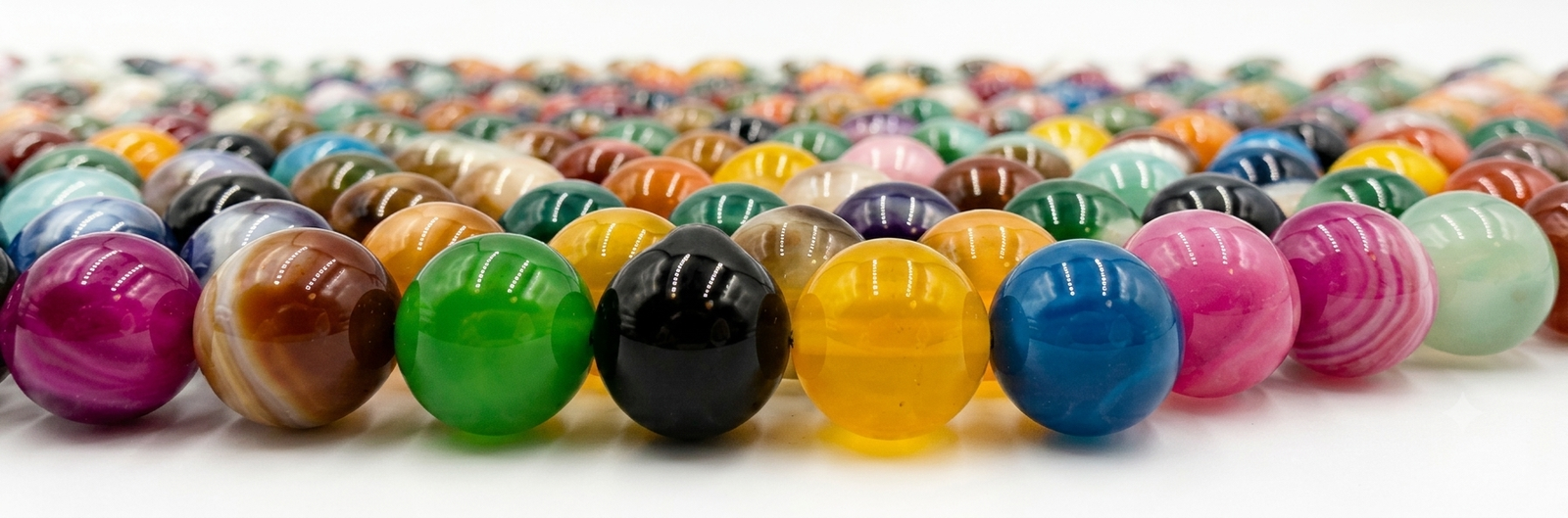
Agate
Consider agate for color, pattern and contrast in beaded jewelry. Share the intended palette and bead dimensions. The team reviews the material selection for the particular design rather than applying one specification to every style.
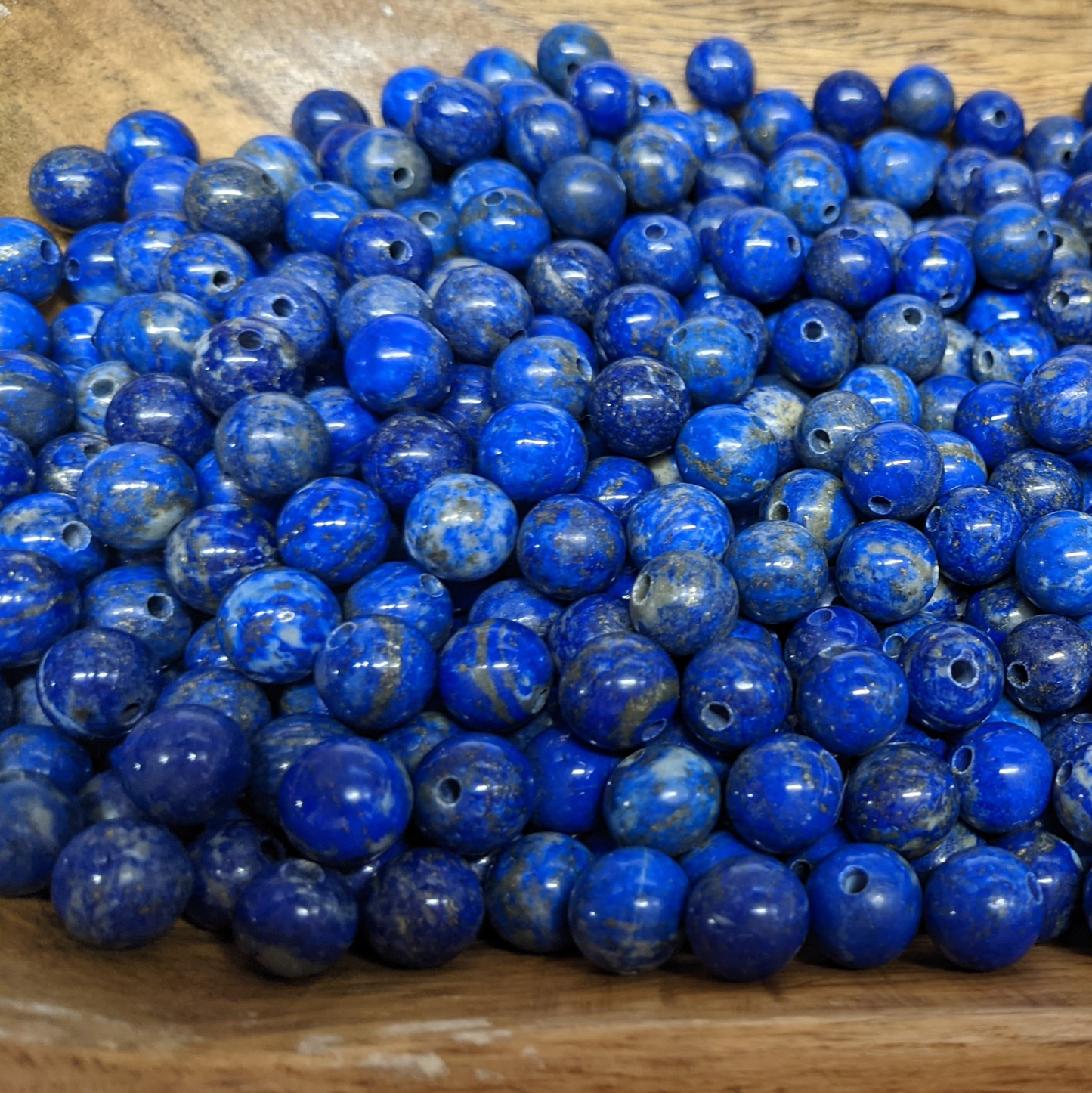
Lapis Lazuli
Use lapis lazuli as a blue material direction for a natural-stone collection. Define the requested bead shape, size and combination with pearls so the design and material selection can be reviewed together.
Define how your jewelry comes together
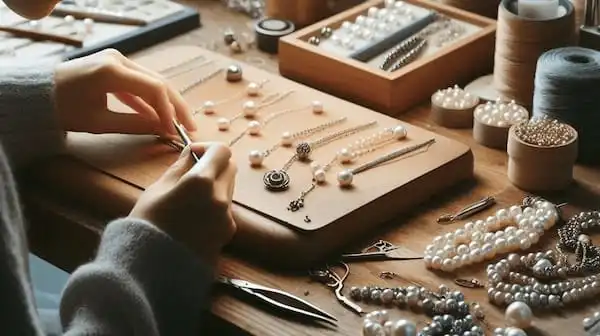
Bead Layout & Matching
Coordinate pearl and stone shape, color and proportions before the arrangement is approved. Describe repeating patterns, focal beads and the balance between materials so the sample reflects a clear design direction.
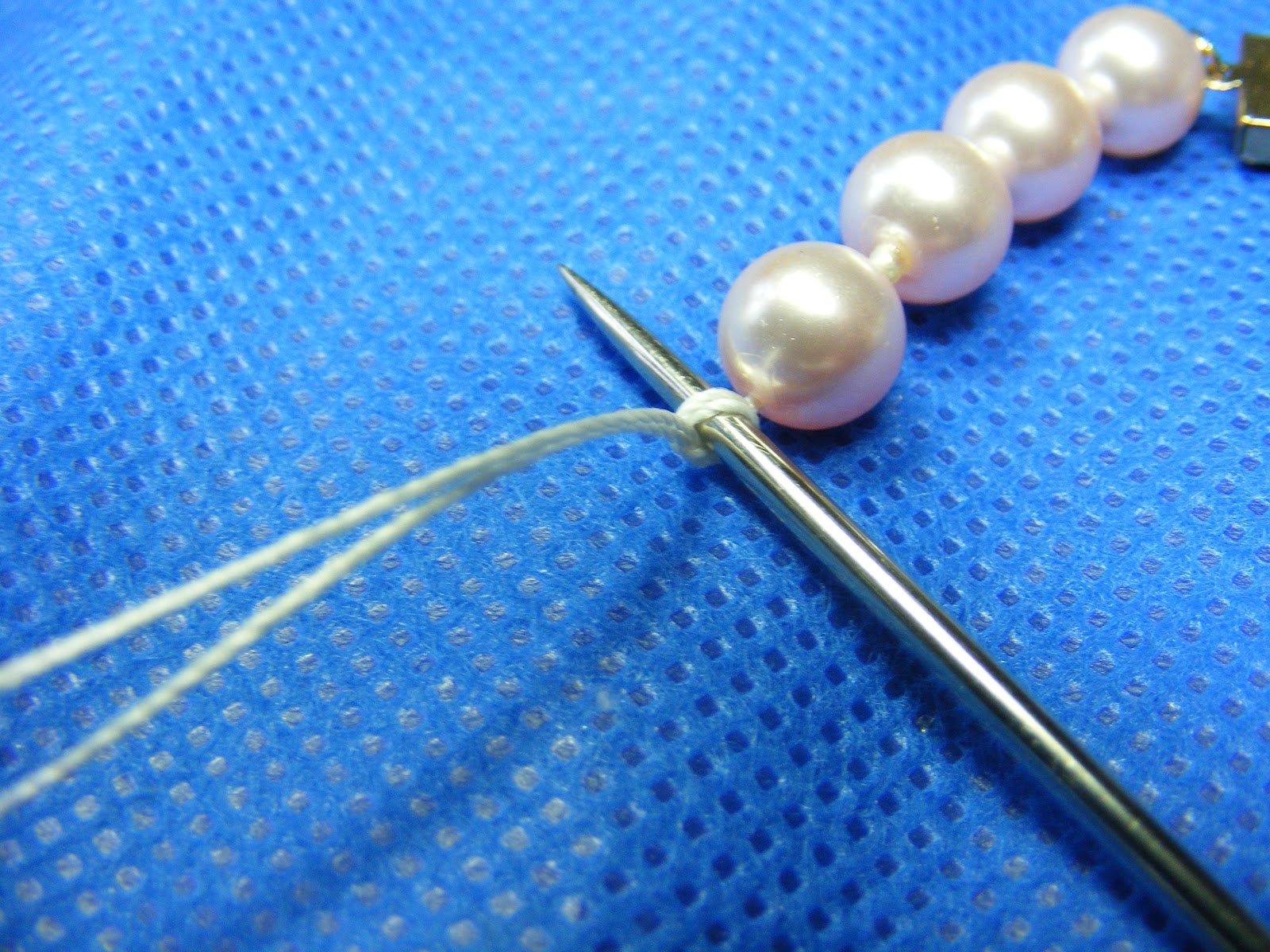
Stringing & Knot Placement
State the desired strand construction, bead spacing and visible knot position. The cord, connection details and finished appearance are reviewed against the selected pearl or gemstone design during sample development.
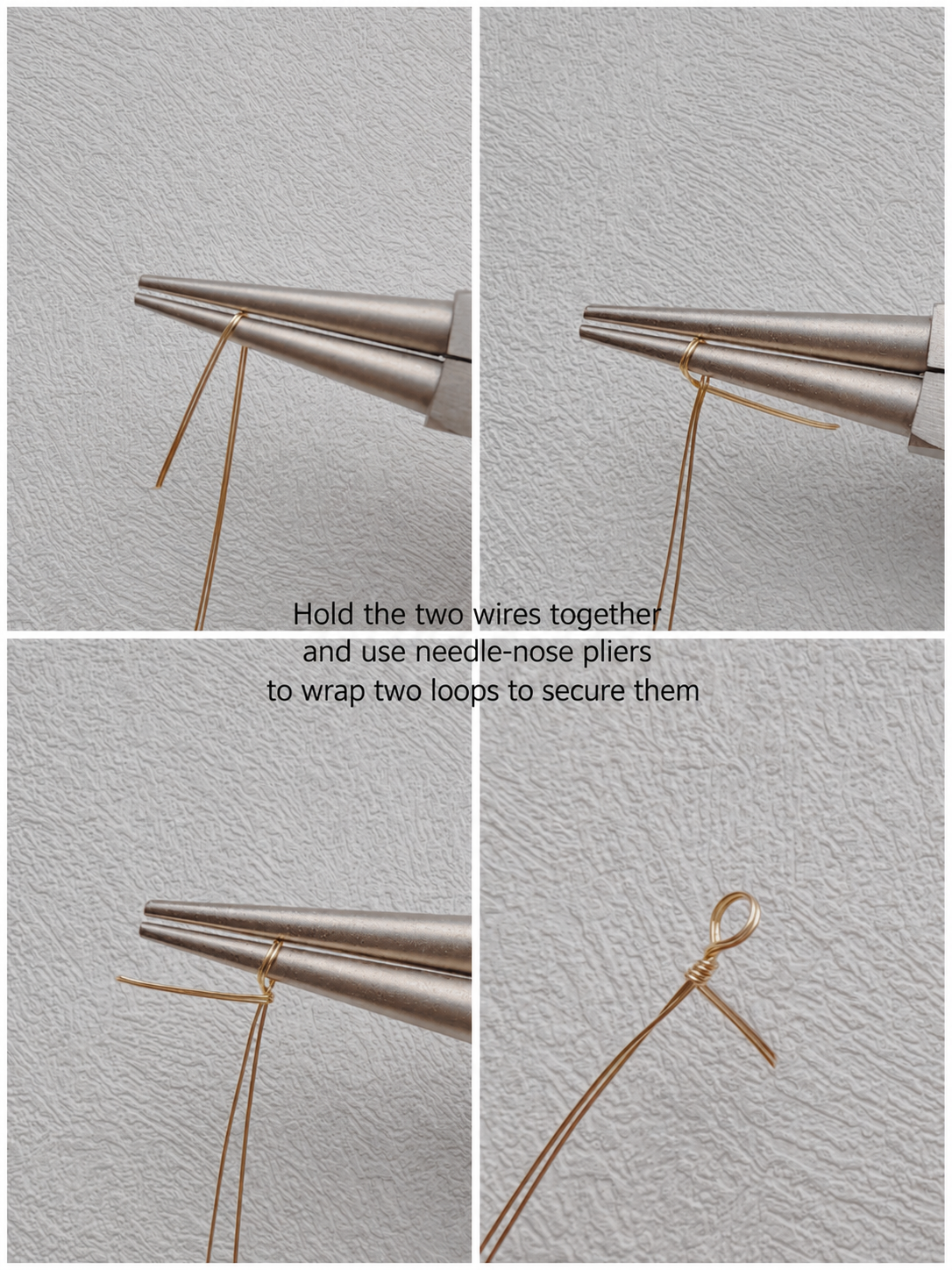
Wire-Loop Connections
Define the connections for pearl drops, earrings or linked elements. Include the loop style, orientation and movement you want in the design brief so the attachment details can be reviewed with the sample.
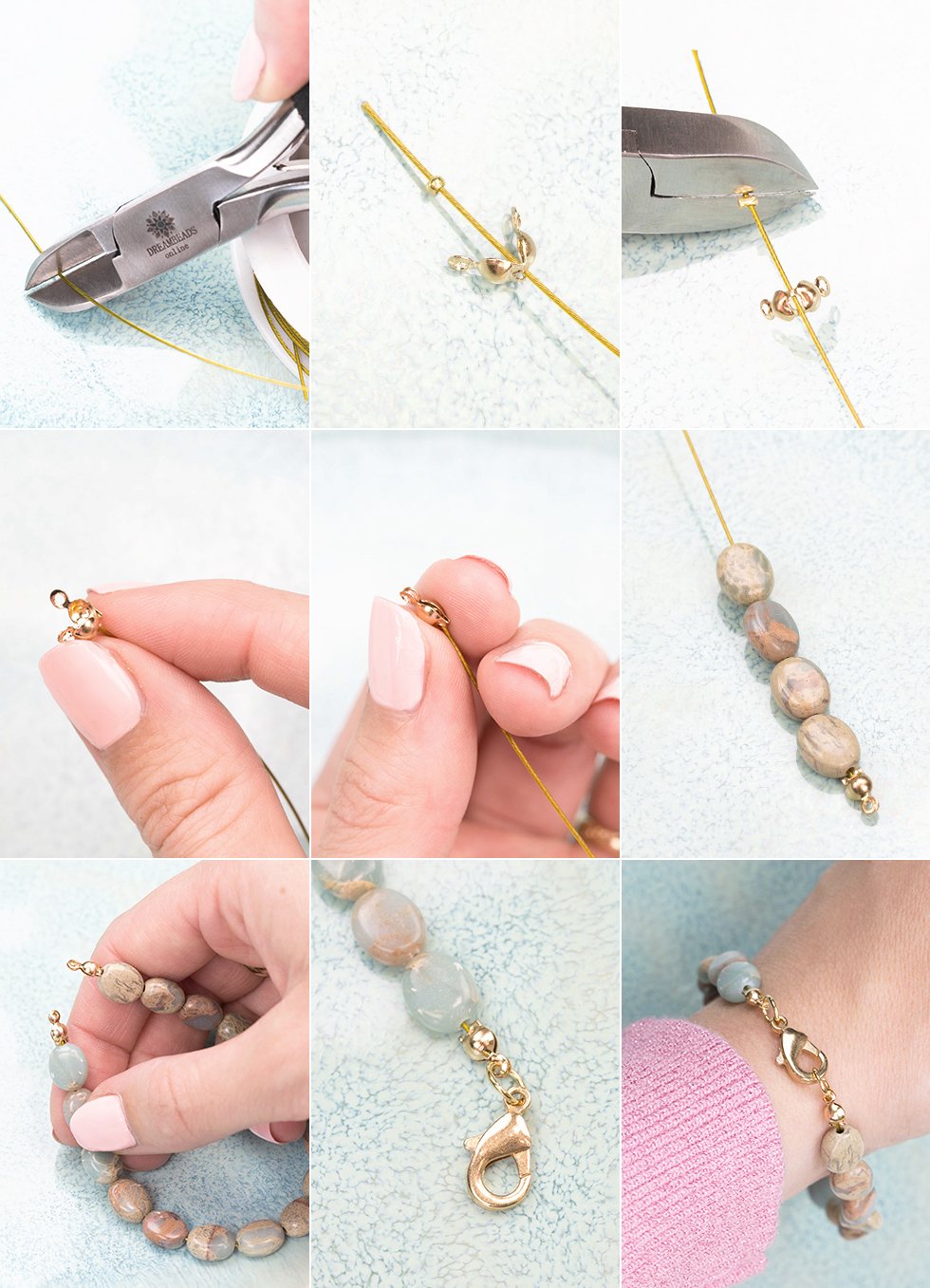
Crimped Strand Ends
For a beaded strand, discuss how the strand ends connect with the chosen clasp and findings. Keep the fastening details with the design specification and review the accepted construction before approving production.
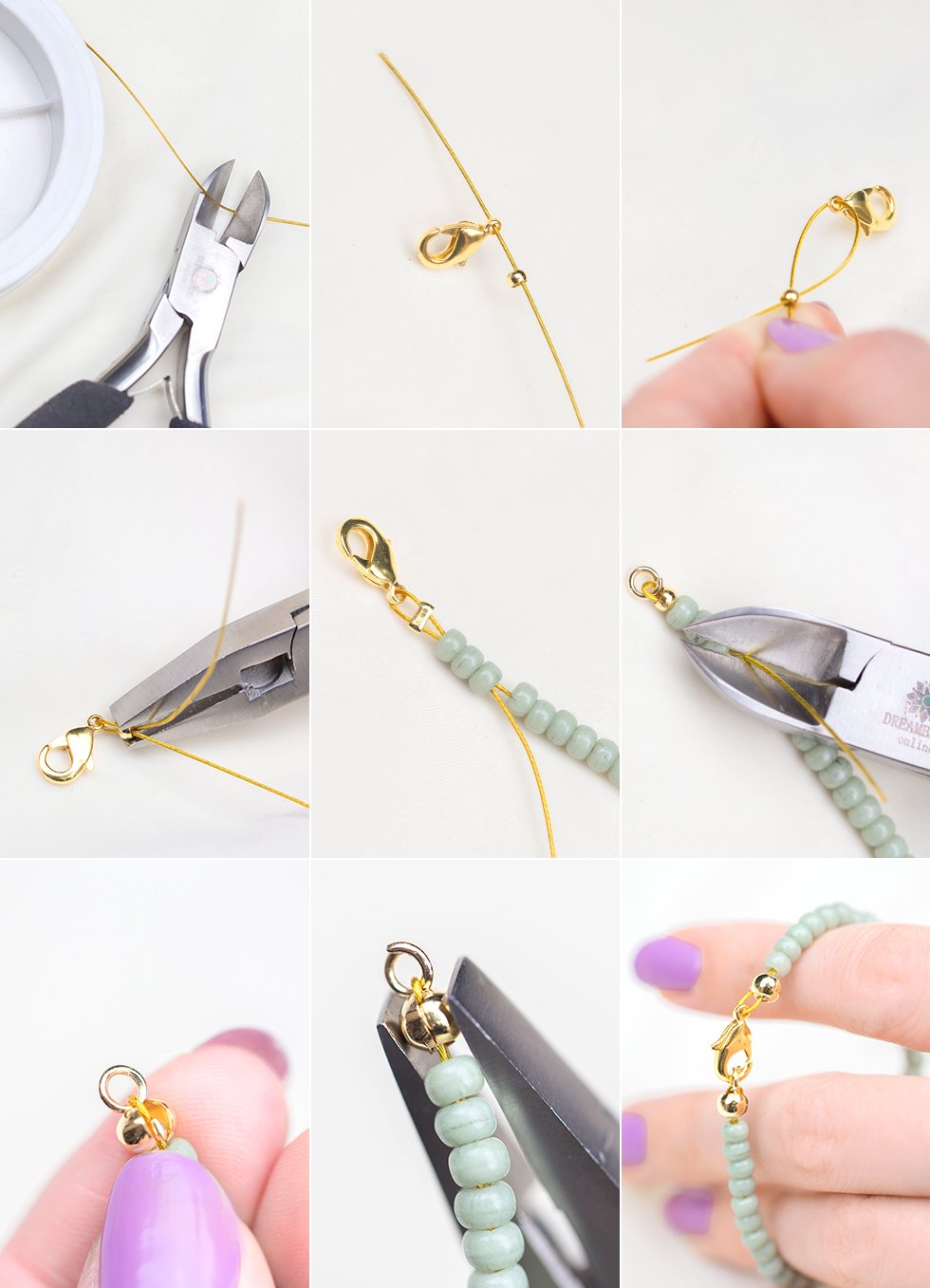
Clasp Attachment
Choose the fastening arrangement as part of the complete design. Confirm the opening style, component dimensions and connection points with the team, rather than selecting a clasp only by its appearance.
Build a recognizable collection direction
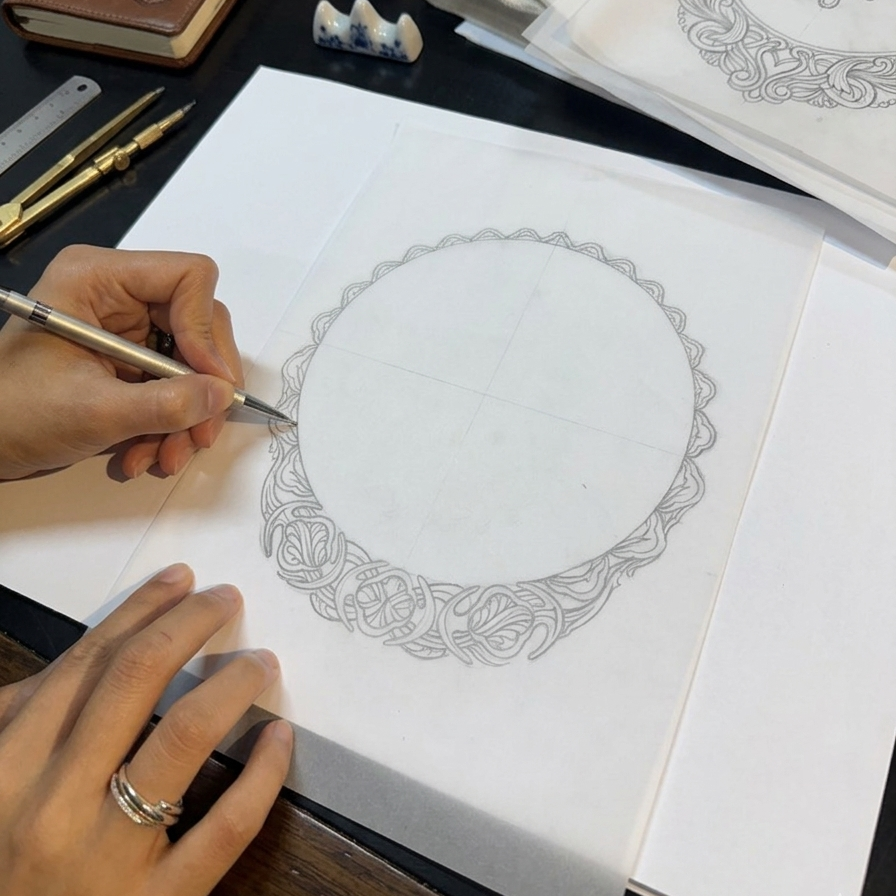
Original Design Development
Send your sketch, reference image or collection idea. Purapeelo reviews the design direction, material requirements and development scope, then uses sampling and approval to define the version intended for your brand.
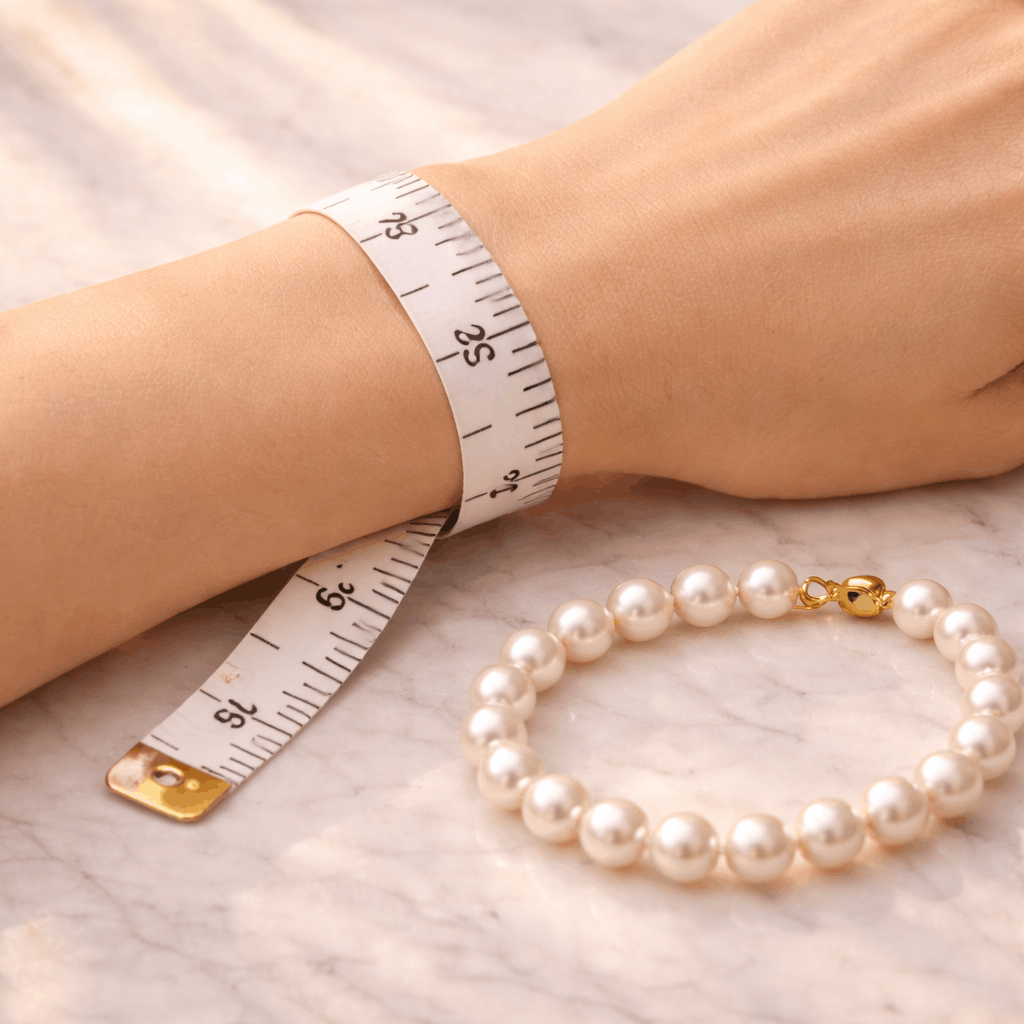
Length & Sizing
Provide the finished length or size required for each style and explain the measurement point. Keep size variants and quantities separate in your brief so the sample and quotation relate to the version you need.
Color & Bead Arrangement
Select a palette from the pearl and stone options. Define bead sequence, proportions and contrasting accents, then confirm the accepted combination through the custom sample. Changes to a stock style are reviewed as custom development.
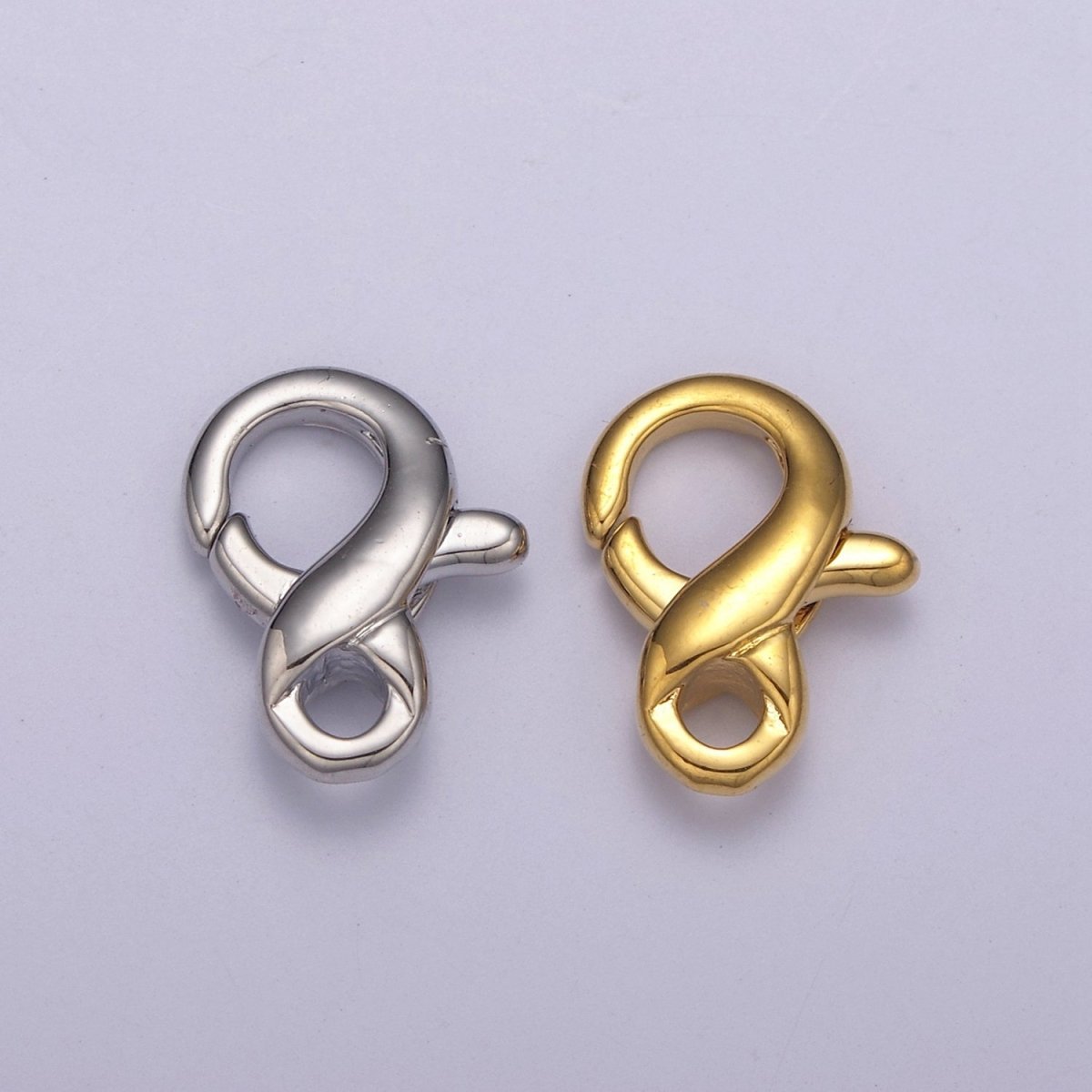
Clasps & Findings
Specify the clasp, hook or connection details that suit your design. Component material, finish and dimensions belong in the project specification and are confirmed for the selected version before an order is agreed.
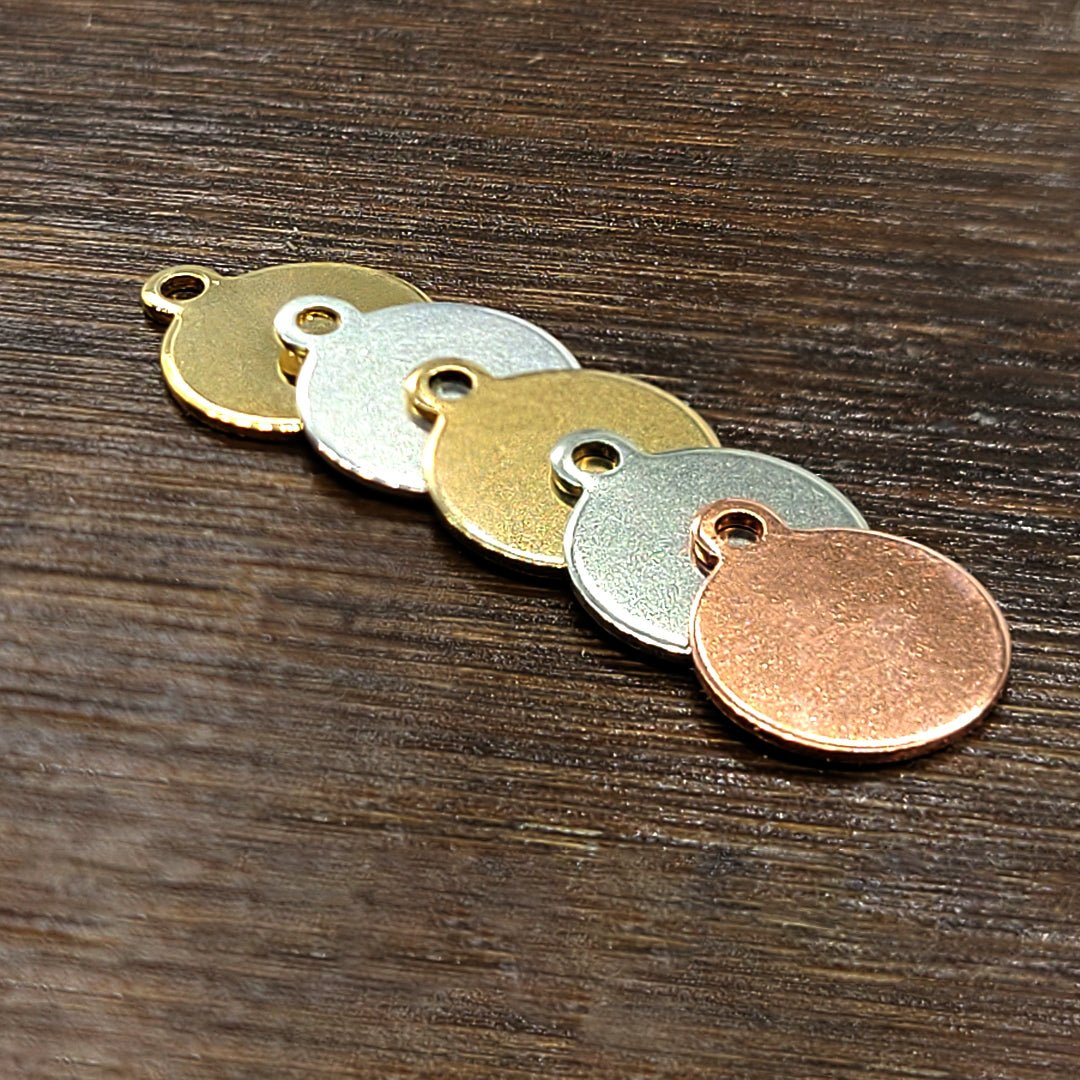
Logo Tags & Private Label
Discuss private-label cooperation and the branding details your collection needs. Send your logo artwork, preferred tag position and dimensions. Tag construction and the branding method are agreed within the project scope.
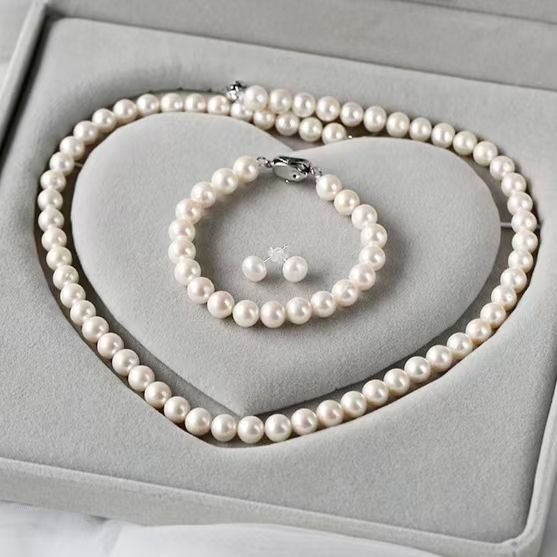
Coordinated Jewelry Sets
Build a related necklace, bracelet, earring or ring selection around one material and design direction. Define the pieces, sizes and quantity split for your collection so each item can be reviewed within the same development brief.
About Purapeelo custom jewelry development
Hangzhou Pujue E-Commerce Co., Ltd., founded in 2016, operates the Purapeelo jewelry brand from Hangzhou, China. Founded by Coral Ye, the company connects natural materials, jewelry design and manufacturing for business buyers.
Purapeelo offers ready-stock wholesale from a published 185-product catalog and separately reviews custom development involving freshwater pearls and semi-precious stones. OEM, ODM and private-label cooperation can be agreed according to the project.
Send your design reference or product selection to the Purapeelo Team. We review stock availability or custom feasibility, then discuss the specifications, quantities and commercial terms needed for an order.
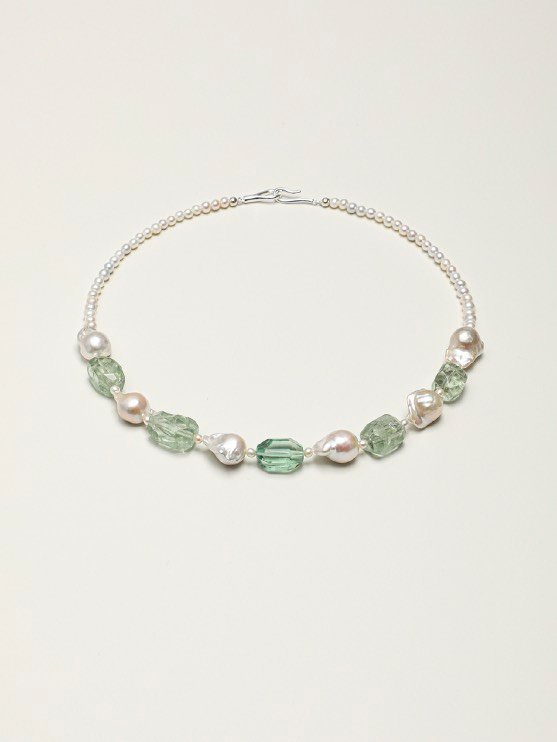
Choose a custom direction for your range
Custom Statement Bracelets
Use natural freshwater pearls or semi-precious stones to develop bracelet designs with a stronger collection identity. Share your intended wrist sizing, material direction, quantity and reference images so the team can review a custom bracelet project or identify a relevant ready-stock starting point.
Custom Necklace Concepts
Necklaces can carry the focal point of a custom hip hop jewelry concept through material combinations, proportions and layered collection planning. Submit your necklace reference, required lengths, stone or pearl preferences, quantities and destination for a project review.
Custom Earring Development
Develop earrings that extend a natural-material jewelry story without simply repeating the necklace or bracelet. Buyers can share visual references, desired proportions and material requirements for custom development, OEM, ODM or private-label discussion by project agreement.
Coordinated Custom Collections
Build bracelets, necklaces, earrings and rings that share a clear material and design language. Purapeelo reviews coordinated collection briefs involving freshwater pearls and semi-precious stones, helping buyers organize product references, quantities and specifications before quotation.
Ready-stock selection or custom development?
Choose ready-stock products for published styles, or submit a defined brief for a custom natural-material jewelry project. Both routes require an itemized inquiry.
← Swipe left or right to view →
Custom hip hop jewelry project process
A practical route from design reference and material review to approved specifications, production, inspection and logistics.
Send Your Project Brief
Provide design references, product type, material and size requirements, quantities and destination. The Purapeelo Team reviews custom feasibility or relevant ready-stock availability.
Confirm Materials and Samples
For custom projects, confirm the selected pearl or semi-precious stone direction, develop samples where applicable, and approve the relevant details before finalizing the order.
Approve Quote and Specifications
Purapeelo confirms the project specifications, MOQ discussion, quotation and production terms. New clients arrange the negotiated deposit before production begins.
Move Into Bulk Production
After order confirmation, production follows the approved sample, selected materials, design requirements and agreed order specifications.
Inspect, Settle and Arrange Logistics
Quality control and inspection take place before dispatch. The balance is settled before shipment, then logistics are arranged for delivery and reorders.
What to include in a custom jewelry inquiry
Show the intended design
Send sketches, images, product references or a clear description of the custom jewelry direction you want to develop.
Specify materials, sizes and quantities
List the product type, preferred pearl or stone materials, size requirements and quantity by style.
Share destination and timing
Tell us the destination and intended order timing so the team can review the applicable project arrangement.
Confirm the written scope
Review the approved version, MOQ discussion, sample terms where applicable, payment and shipment details before ordering.
Jewelry certificates, reports and standards
A lab report for evaluating pearl identity and detectable treatments. Relevant when pearl identity forms part of the purchase specification.
An optional lab report identifying an eligible gemstone, its natural or laboratory-grown status and detectable treatments.

For EU market orders, check the restrictions applicable to the finished item and its components, including relevant nickel release, lead or cadmium limits.
A voluntary business certification framework. When responsible sourcing is a procurement condition, check the supplier entity and certification scope.
Review these points before approving your custom order
Check that the quotation identifies the correct product code, selected size, material description and quantity split.
For a custom design, keep the approved sample and current specification together so the agreed version is clear.
Confirm the payment milestones, applicable MOQ, inspection scope and dispatch arrangement in the actual order agreement.
Custom Hip Hop Jewelry FAQ
Practical answers for business buyers developing natural pearl and semi-precious stone jewelry with Purapeelo.
What does Purapeelo offer for custom hip hop jewelry?
Can I order ready-stock styles instead of developing a custom design?
Which materials can be discussed for a custom project?
Does Purapeelo make every type of hip hop jewelry?
How do OEM, ODM and private-label projects work?
What determines the MOQ for custom jewelry?
What should I send with my first inquiry?
What is the payment process for a custom order?
A buyer’s guide to custom hip hop jewelry
Use this guide to define a natural-material direction, prepare a stronger brief and make practical purchasing decisions.
Official references for the jewelry certificates, reports and standards above: GIA Pearl · GIA Colored Stone · EU REACH · RJC
Define the custom direction before sourcing
Custom hip hop jewelry can mean many visual directions, so begin by defining what makes your collection distinct. For Purapeelo, the relevant starting point is a natural-material approach using freshwater pearls and selected semi-precious stones. Decide whether the collection should feel bold, layered, color-led, sculptural or more restrained. Then identify the product role: a focal necklace, a statement bracelet, complementary earrings or a coordinated set. Avoid sending only a broad trend name. A useful brief explains the customer you sell to, the visual references you respond to, the materials you prefer and the intended product category. This makes it easier to separate a realistic development discussion from a generic request. If your goal is a broader branded assortment, review related custom women’s jewelry directions alongside your core concept. A clear positioning decision also helps you choose which designs deserve sampling first.
Distinguish ready-stock from custom development
Ready-stock wholesale and custom development solve different purchasing problems. Ready-stock is appropriate when a published product fits your assortment and you need to discuss availability for an existing style. Purapeelo’s published catalog contains 185 products: 120 bracelets, 45 necklaces, 19 earrings and one ring. Custom development begins when your reference, material selection, sizing, arrangement or branding requirements need a project review. Do not assume that selecting a stock item automatically creates a custom version, or that a custom concept can be quoted like a stock purchase. State which route you are exploring in the first inquiry. If you need a fast assortment conversation, provide product codes. If you need an original collection direction, provide drawings, image references and the decisions that matter most. Buyers comparing multiple sourcing options may also find the distinction between wholesale jewelry and project development useful when planning an initial range.
Purapeelo catalog example
Use the catalog photo and product code together when requesting the existing style. For changes, attach a separate custom brief.
Build a material brief with purpose
Natural materials should be selected for their role in the design, not added as an afterthought. Purapeelo works with natural freshwater pearls and semi-precious stones including crystal and quartz, agate and lapis lazuli. Start by choosing the dominant material and then decide whether a second material supports contrast, color or texture. Describe the desired color family, shape preference, size range and the degree of variation you can accept in a natural-material product. A pearl-led necklace may need a different brief from an agate bracelet or a crystal earring design. Make visual hierarchy clear: identify the main elements, secondary details and any areas where proportions are critical. This gives the development conversation a practical structure. It also prevents a common mistake: asking for a trend-driven look without explaining which natural materials are essential to your brand. Exact specifications should be confirmed through the agreed project and sample process.
Freshwater pearls material reference
Use the visual reference to discuss the shape, color and finish you want to compare with the approved material or sample.
Choose the right first product category
A first custom project works best when the product category supports your commercial goal. Bracelets can establish a material story with manageable assortment variation. Necklaces often provide the strongest statement piece and can anchor a launch campaign. Earrings can extend a collection and encourage coordinated purchasing, while rings may be a selective addition rather than the starting point. For a hip hop-inspired natural-material direction, think about how buyers will wear and combine each category. A focal necklace may need companion earrings that do not compete visually; bracelets may offer a more accessible entry to the same material palette. State whether you need one hero product or an integrated range. If bracelets are central, see the context of custom jewelry bracelets; for necklace-led projects, compare your brief against custom jewelry necklaces. The right first category makes approvals and reorders easier to organize.
Prepare references that answer decisions
A reference image is most useful when you explain what should be reviewed from it. Label whether you are responding to silhouette, bead arrangement, color balance, length, overall attitude or another feature. If several images are supplied, identify the priority image and note which details can change. A clear brief should also state the intended product category, material direction, size requirements, quantities and destination. Avoid asking a supplier to infer all commercial and design decisions from a collage. Where a concept includes natural pearls or stones, indicate which elements are required and which are open to discussion. You can submit a sketch, a product image, a mood reference or a combination of these. The aim is not to prescribe unsupported technical details; it is to give the Purapeelo Team enough information to review feasibility. Better references reduce revision cycles and help keep the sample conversation focused on the collection you actually intend to buy. Create a one-page decision list alongside each reference image. Note the product category, the feature to review, required natural materials, preferred size or length, estimated quantity and destination. Mark any element that is flexible, such as color balance or bead arrangement. This gives the team a usable basis for reviewing feasibility and helps prevent a reference image from being mistaken for a complete order specification.
Size measurement reference
Mark the relevant measurement points for your style and give a separate value for each size variant.
Use sampling to confirm the actual design
Sampling is the point where a custom jewelry concept becomes an agreed product direction. Before approving a sample, review the features that affect your collection: the overall silhouette, material selection, sizing, arrangement and relationship to your original reference. Consider the sample in the context of its intended assortment, not as an isolated object. Does the necklace work beside the proposed bracelet? Do the earrings repeat the collection language without becoming identical? Are the chosen natural materials supporting the visual position you set at the start? Record any revisions clearly and consolidate feedback before the next decision. Purapeelo’s process includes material confirmation, sampling and approval before bulk production for applicable custom projects. Exact specifications need to be agreed for the selected design. This disciplined step protects both buyer and supplier from relying on informal assumptions. It also gives your sales, merchandising and creative teams a shared version of the product to use when preparing a launch.
Plan quantities and MOQ discussions realistically
Custom purchasing requires an honest discussion of quantities. Purapeelo determines MOQ by product complexity, design and material requirements, so an early estimate is more useful than waiting until every creative decision is final. Tell the team whether you are planning a test launch, a focused seasonal drop or a wider collection. Break quantities down by style where possible, and flag whether later replenishment is part of your plan. This information helps frame the project conversation without creating an expectation that every concept has the same commercial conditions. If you are comparing suppliers, evaluate more than a headline MOQ. Consider how clearly each supplier understands your material direction, whether the sample path is organized and how well the final specifications can be documented. A thoughtful quantity plan also helps you decide whether ready-stock selection could support part of the assortment while custom development concentrates on the hero styles that make your collection memorable.
Confirm the written commercial scope
Before confirming an order, ensure the written scope reflects the decisions made during development. It should cover the approved product version, selected materials, size requirements, quantities, quoted terms, sample arrangements where applicable, payment terms and shipment details. For new clients, Purapeelo requires a negotiated deposit before production. The balance is settled before shipment. T/T bank transfer is preferred for bulk orders and balance payments; PayPal or credit card for samples and smaller orders may be available by agreement. Do not rely on an earlier conversation when a later sample or material decision has changed the brief. This is particularly important for a collection with several related pieces, where a small change in one design can affect assortment consistency. Confirm the destination as well, so the team can discuss the applicable logistics arrangement. Clear documentation is not bureaucracy; it is how a creative concept becomes a workable business order.
Visual comparison for sample approval
Use the same view and lighting when comparing an approved sample with a new version. Record the elements the sample is expected to match.
Plan a collection, not isolated pieces
The strongest custom hip hop jewelry range has a repeatable point of view. Establish a small set of rules across categories: a consistent natural-material palette, recurring proportions, a shared contrast between pearls and stones, or a deliberate progression from statement styles to supporting pieces. Then assign each product a job. A necklace might communicate the collection’s main idea, bracelets can provide variation, earrings can complete a look, and a ring can act as a selective finishing piece. This approach makes product development more efficient because references and approvals are connected. It also helps business buyers present a coherent offer to retailers or end customers. Purapeelo’s natural-material focus can support this kind of collection thinking without treating every product as an unrelated sourcing exercise. When submitting your brief, include a simple assortment map showing the categories you want, their relative importance and any pieces that must coordinate. This lets the team review the development scope with the collection in mind.
Build the inquiry around the next decision
A productive inquiry should make the next decision easy. Start with a short description of your brand or buying business and the collection goal. Attach design references, then list the product categories, preferred natural materials, key size requirements, estimated quantities and destination. State whether you are considering ready-stock products, custom development, OEM, ODM or private-label cooperation. If you need help identifying an appropriate route, say so directly rather than over-specifying uncertain details. Purapeelo will review stock availability or custom feasibility and discuss the relevant requirements before an order is confirmed. Keep the first message focused on facts that influence the project: visual direction, materials, quantities and commercial purpose. This gives both teams a practical basis for moving into material confirmation, sampling, quotation and order approval. For broader supplier comparisons, you may also review Purapeelo’s jewelry manufacturer context. A well-prepared inquiry is the first step toward a collection that is distinctive, coherent and commercially manageable.
Tell us about your custom jewelry project
Send a design reference, material preferences, quantities and destination to the Purapeelo Team.