
Custom Diamond Jewelry, Reviewed for Your Business
Purapeelo helps brands, retailers, wholesalers and distributors turn clear jewelry briefs into practical sourcing conversations. Send your diamond jewelry concept, reference images, size requirements, quantities and destination for a project review. Our established offer centers on natural freshwater pearls and semi-precious stones; for other jewelry requirements, we review feasibility, scope and specifications before confirming a custom-development route.
Explore natural-material jewelry inspiration
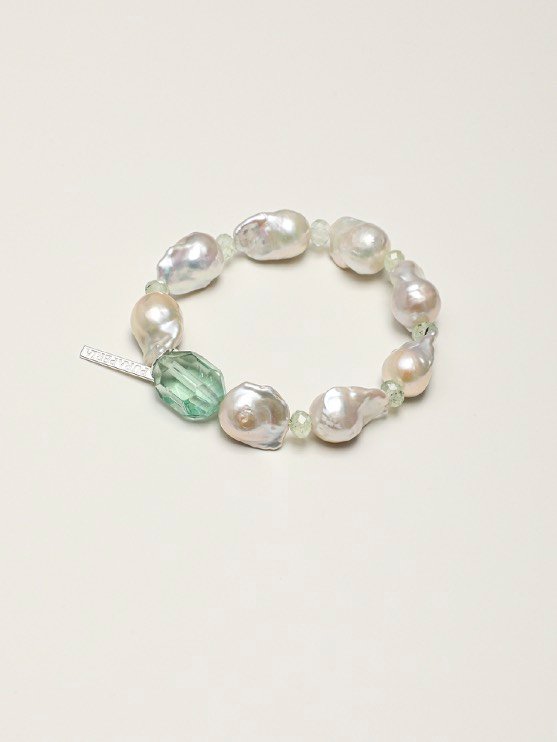
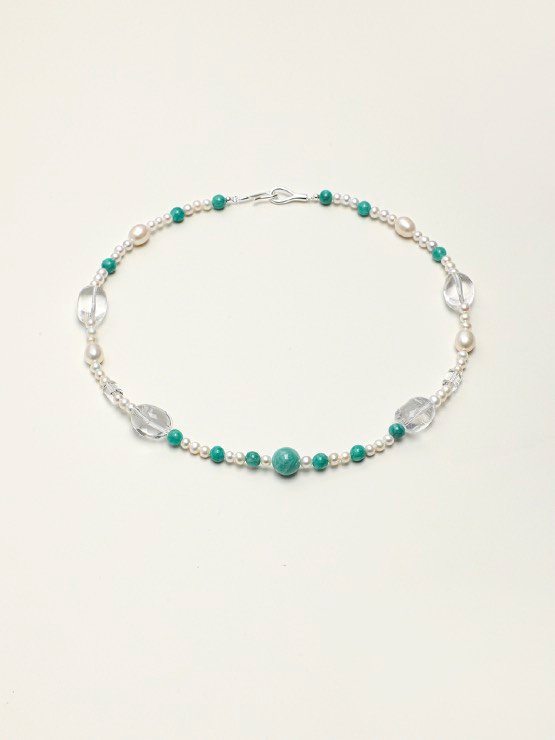
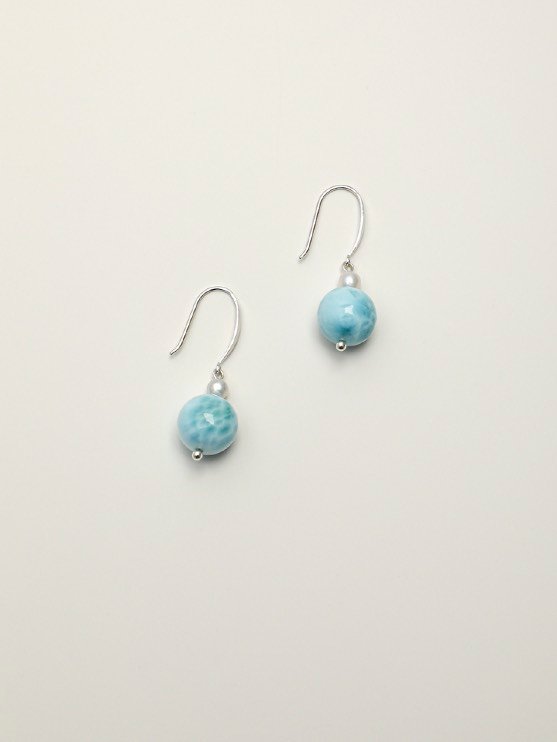
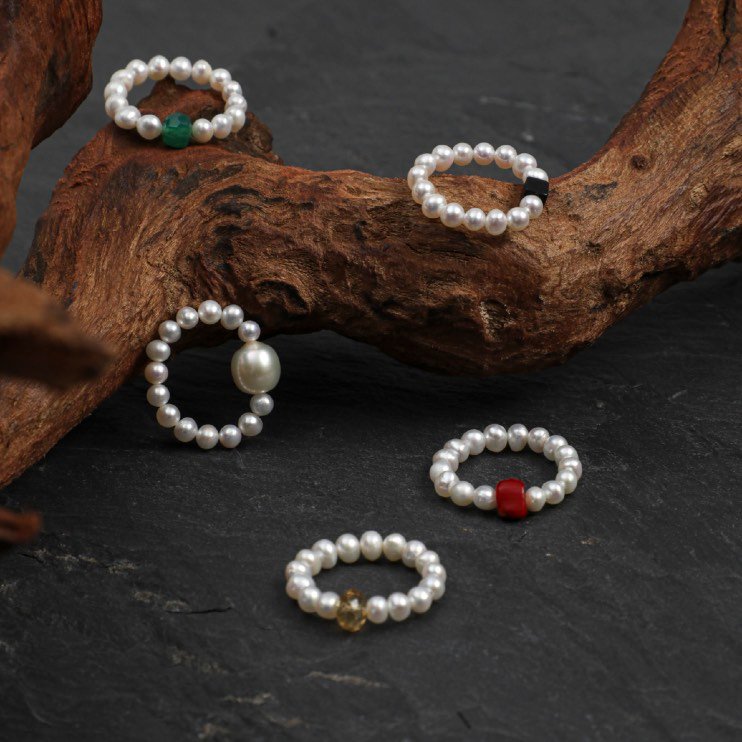
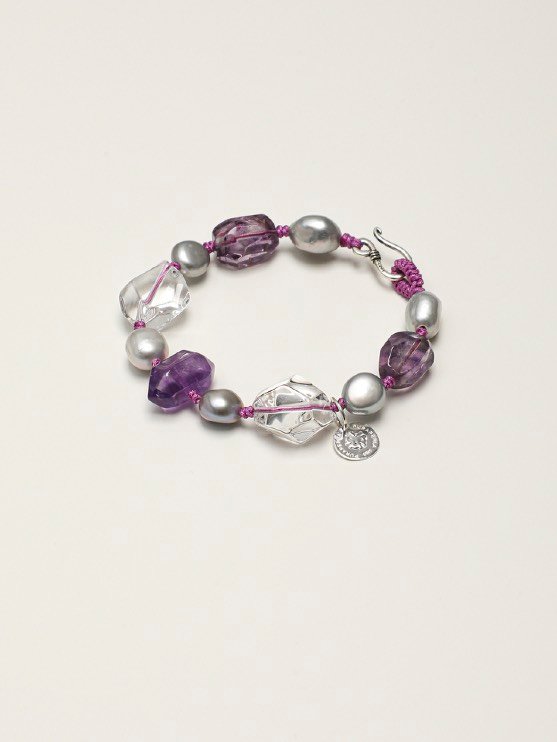
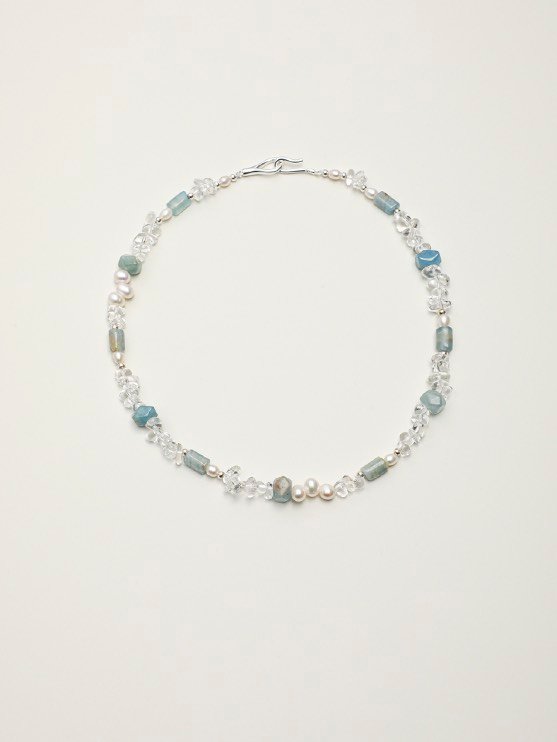
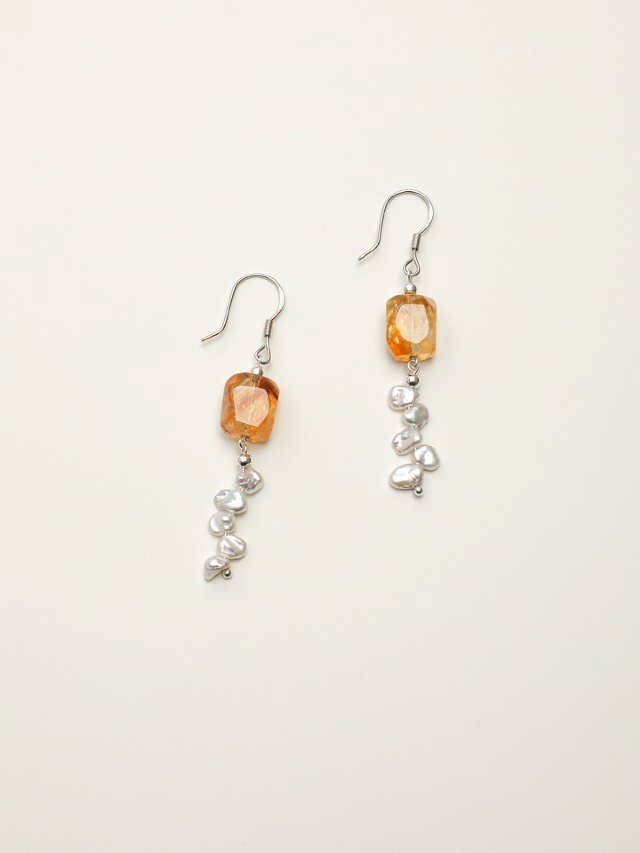
Browse ready-stock pearl and stone jewelry
These published catalog styles are available for wholesale inquiries. Choose a design and quantity, or send a separate custom-development brief for your specifications.


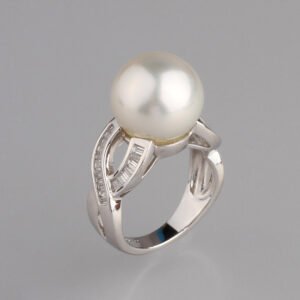

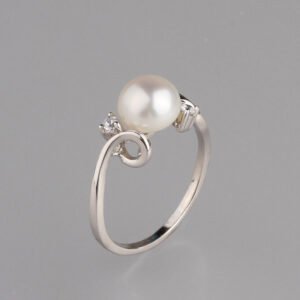
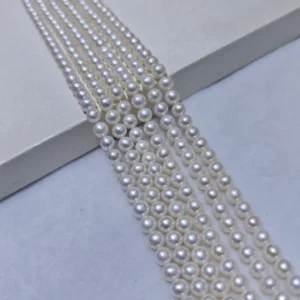
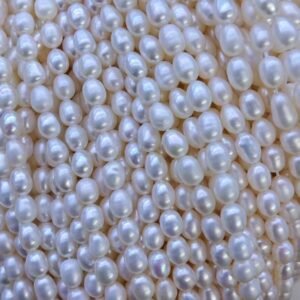

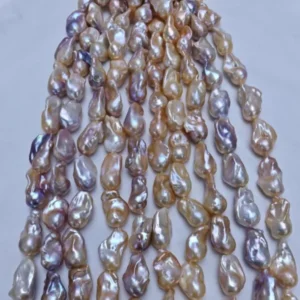

A Clear Starting Point for Custom Jewelry Projects
Bring a defined diamond jewelry request or a natural-material collection concept. Purapeelo reviews the right sourcing route with business buyers before specifications are agreed.
Brief-Led Project Review
Share design references, intended product type, sizing, quantities and destination so the team can review the scope of your custom jewelry inquiry.
Natural-Material Collection Expertise
Purapeelo’s core offer focuses on natural freshwater pearls and semi-precious stones, including crystal and quartz, agate and lapis lazuli.
Custom Development Path
For requirements beyond the ready-stock range, discuss feasibility, material requirements, sampling and agreed specifications as a custom project.
OEM, ODM and Private Label
OEM, ODM and private-label cooperation can be arranged by project agreement once the product brief and commercial scope are confirmed.
Quote Built Around the Brief
MOQ and quotation discussions reflect product complexity, design, material requirements, quantities and destination rather than a fixed template.
Direct Project Coordination
Work with the Purapeelo Team from inquiry and sample approval through production, inspection, logistics and future collection planning.
Explore custom diamond jewelry categories
Browse the categories below. Images show material or design references. Ask our team about availability or a custom brief.
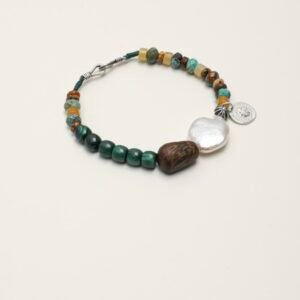
Custom Lab-Grown Diamond Jewelry
Explore custom lab-grown diamond jewelry and the specifications to include in your inquiry.
Get A QuoteSelect materials for a distinct collection
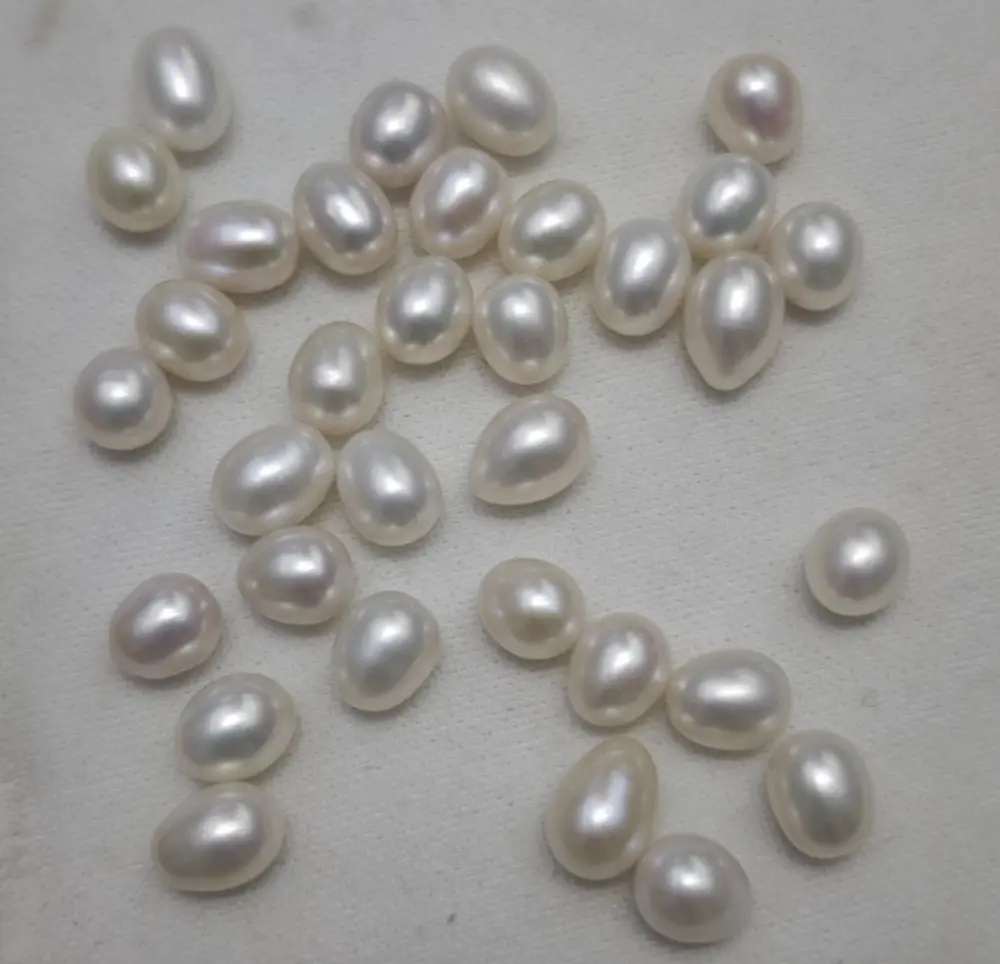
Freshwater Pearls
Develop a pearl-led collection with natural freshwater pearls. Discuss the shape, color, size and visual character you want, and keep the selected pearl specification with your approved sample.
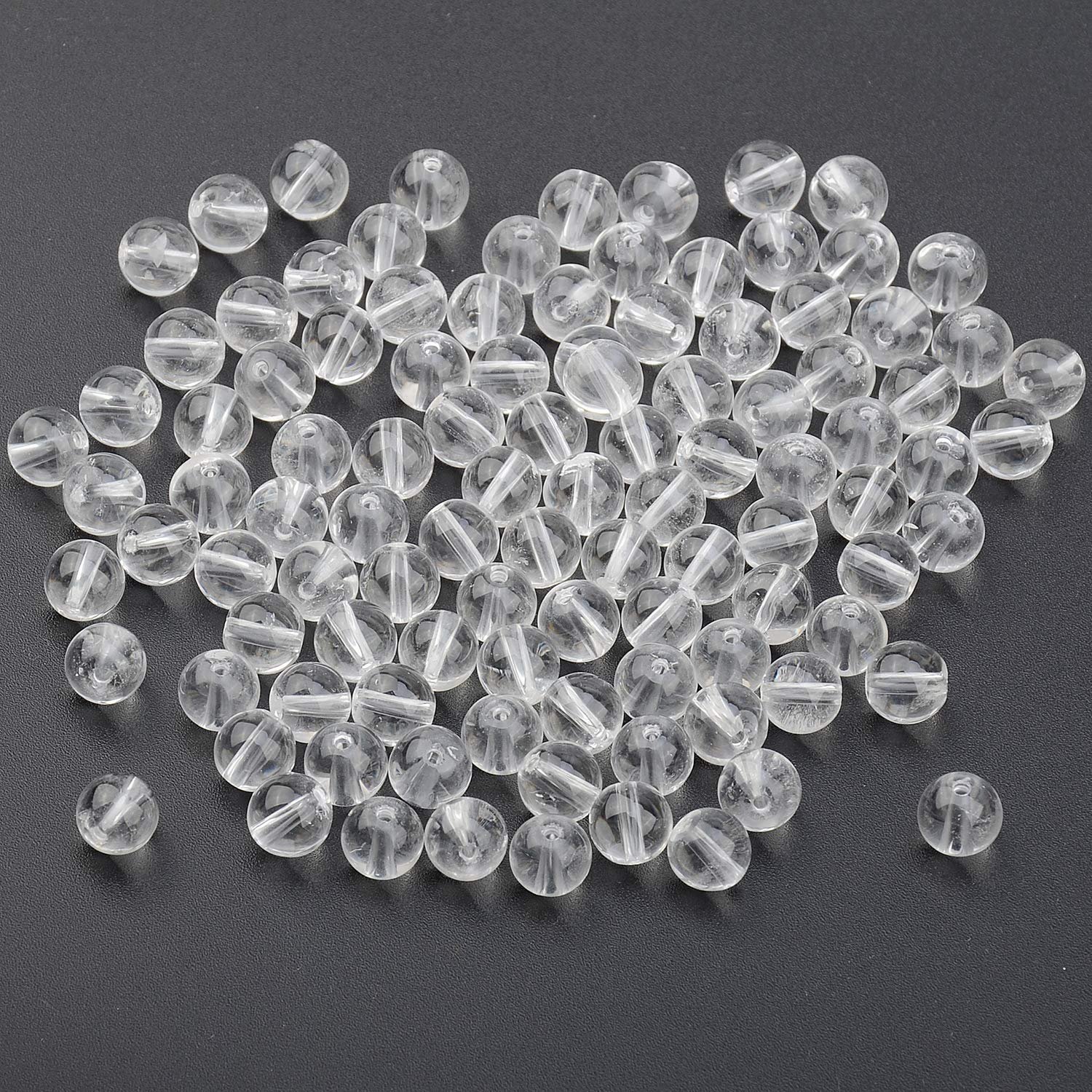
Clear Crystal & Quartz
Use clear crystal or quartz to introduce light and contrast alongside pearls or colored stones. Specify bead shape, dimensions and placement when discussing a new design or a change to a catalog style.
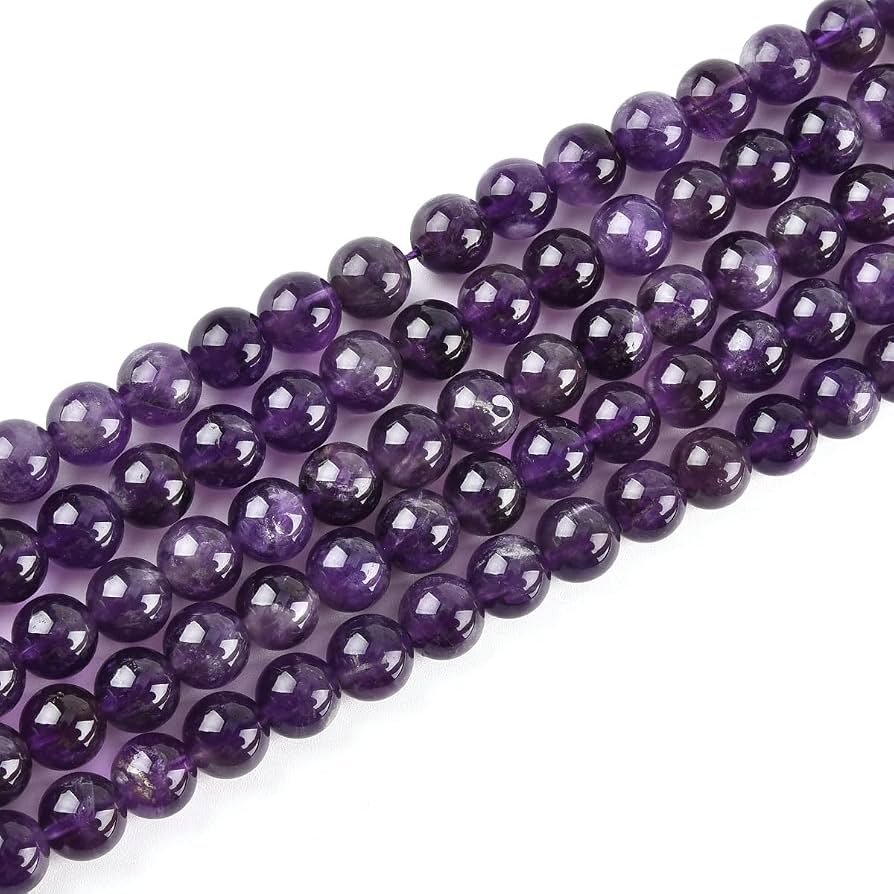
Amethyst
Bring purple tones into a pearl and gemstone collection. Amethyst appears in our supplied designs; discuss the bead form, color direction and arrangement you want for your own collection.
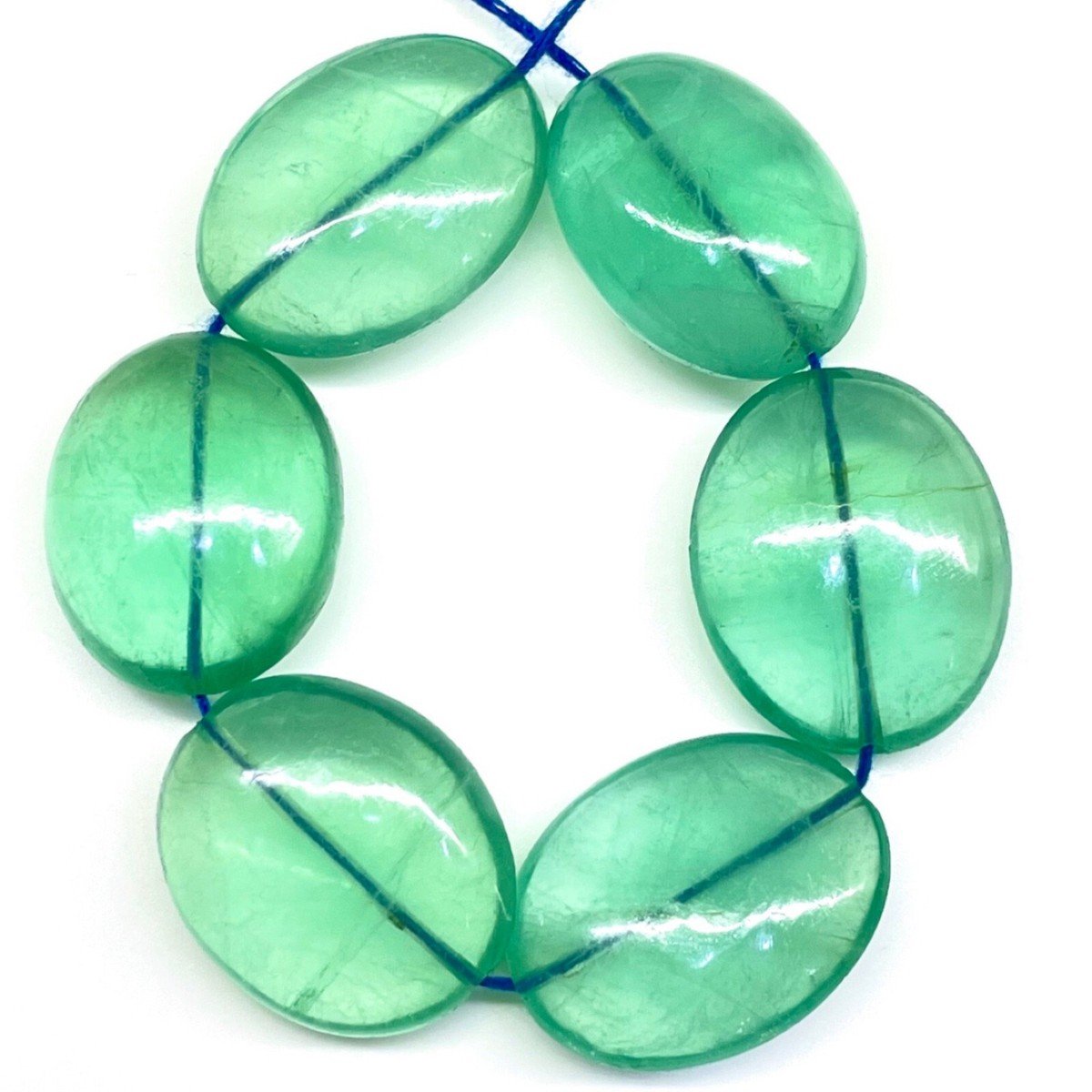
Fluorite
Explore green fluorite for a softer gemstone palette. Our supplied catalog includes fluorite-and-pearl designs. Send the preferred shape, size and color reference for a custom material review.
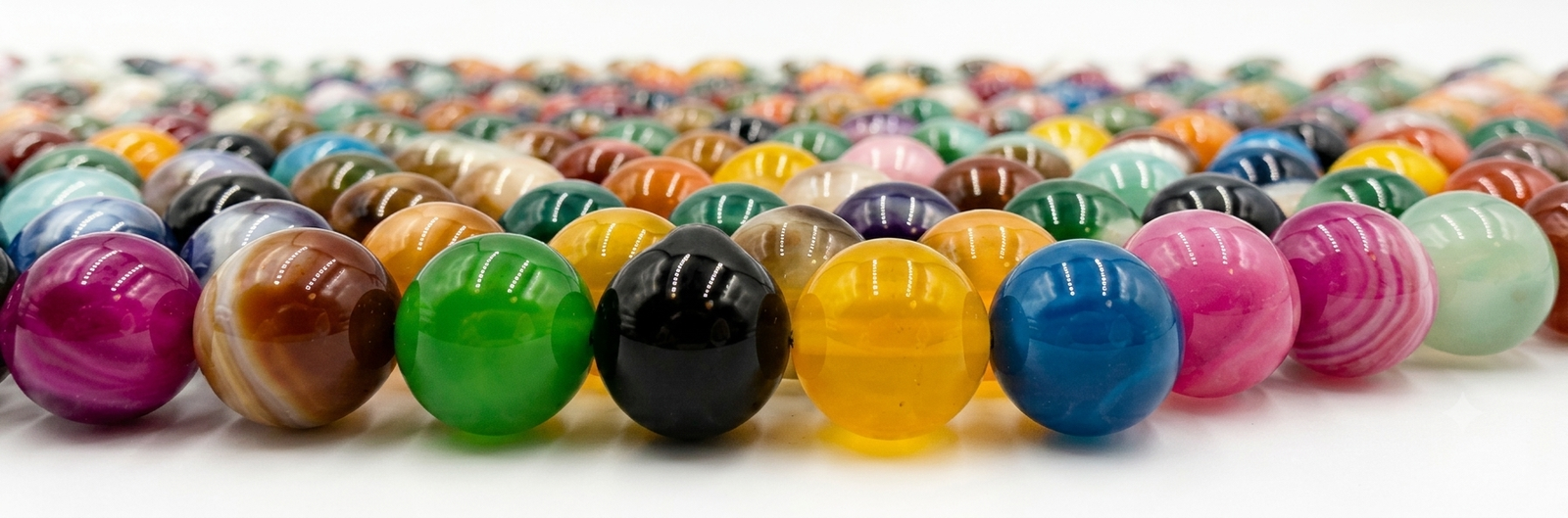
Agate
Consider agate for color, pattern and contrast in beaded jewelry. Share the intended palette and bead dimensions. The team reviews the material selection for the particular design rather than applying one specification to every style.
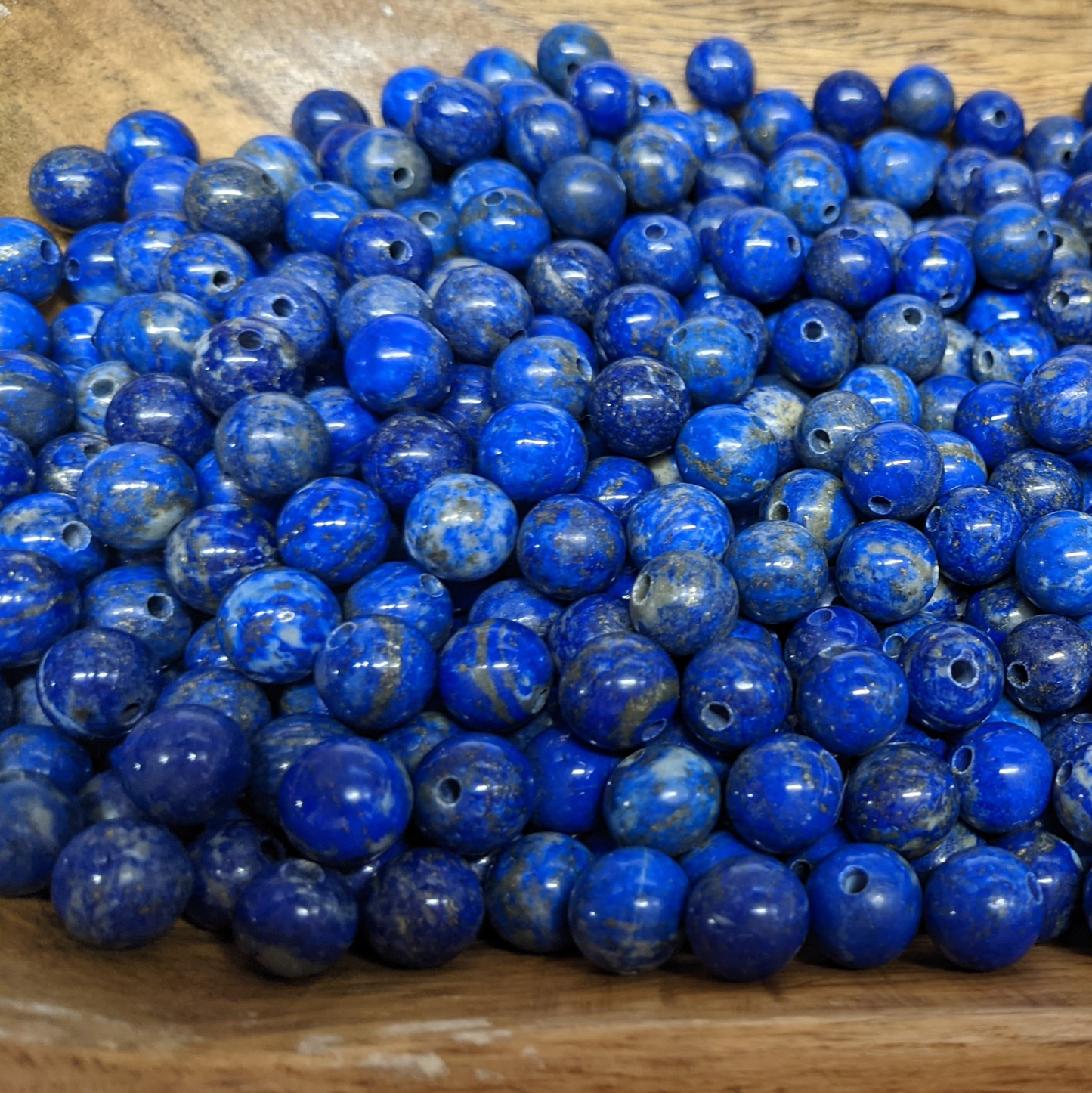
Lapis Lazuli
Use lapis lazuli as a blue material direction for a natural-stone collection. Define the requested bead shape, size and combination with pearls so the design and material selection can be reviewed together.
Define how your jewelry should come together
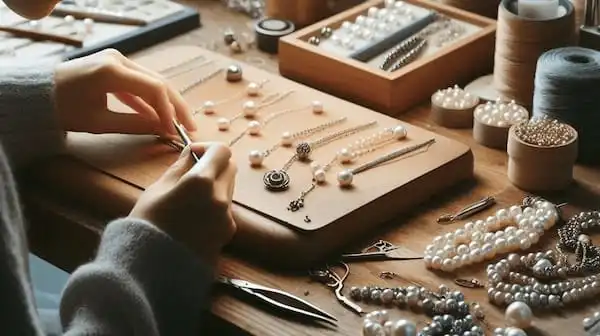
Bead Layout & Matching
Coordinate pearl and stone shape, color and proportions before the arrangement is approved. Describe repeating patterns, focal beads and the balance between materials so the sample reflects a clear design direction.
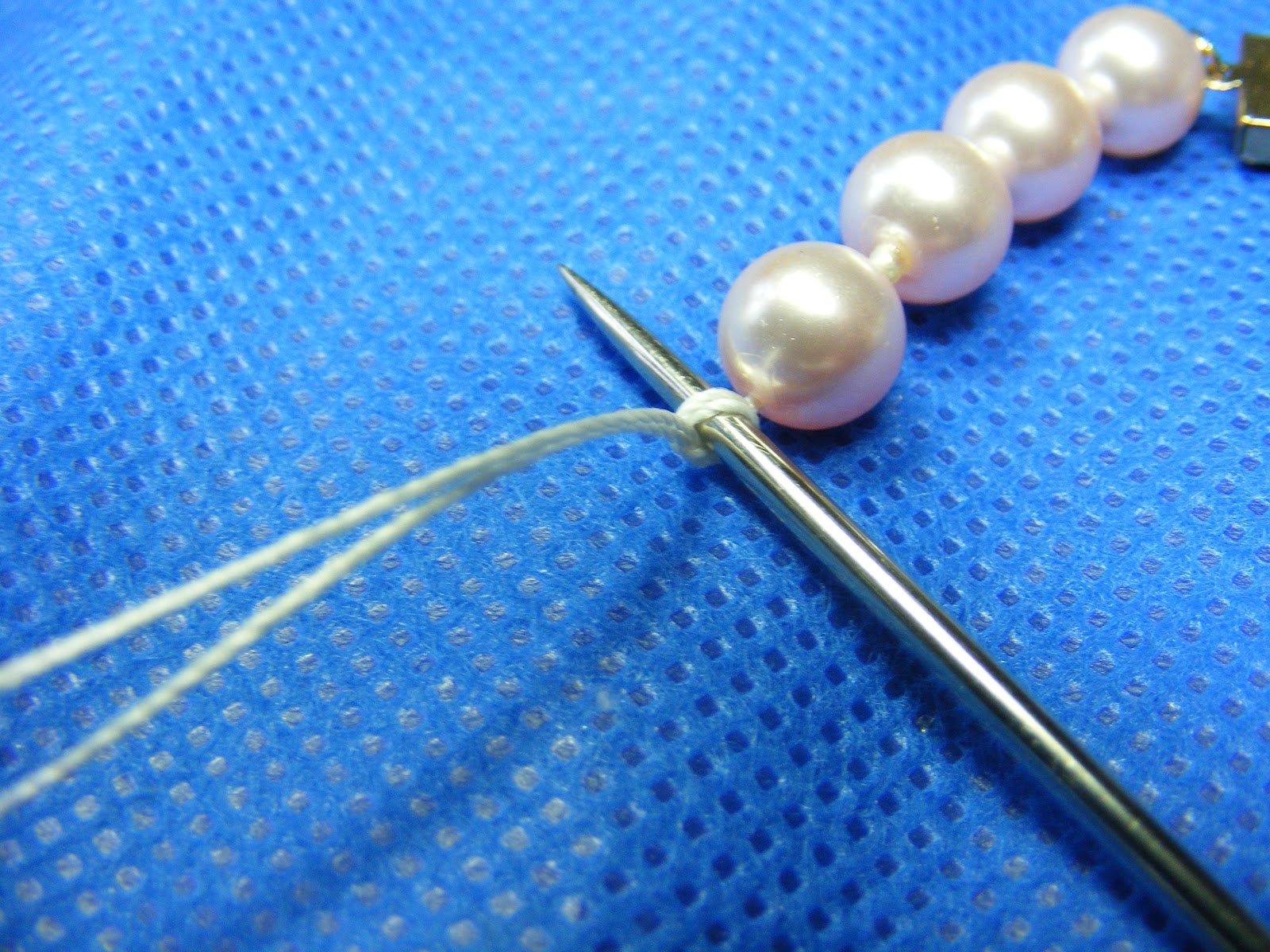
Stringing & Knot Placement
State the desired strand construction, bead spacing and visible knot position. The cord, connection details and finished appearance are reviewed against the selected pearl or gemstone design during sample development.
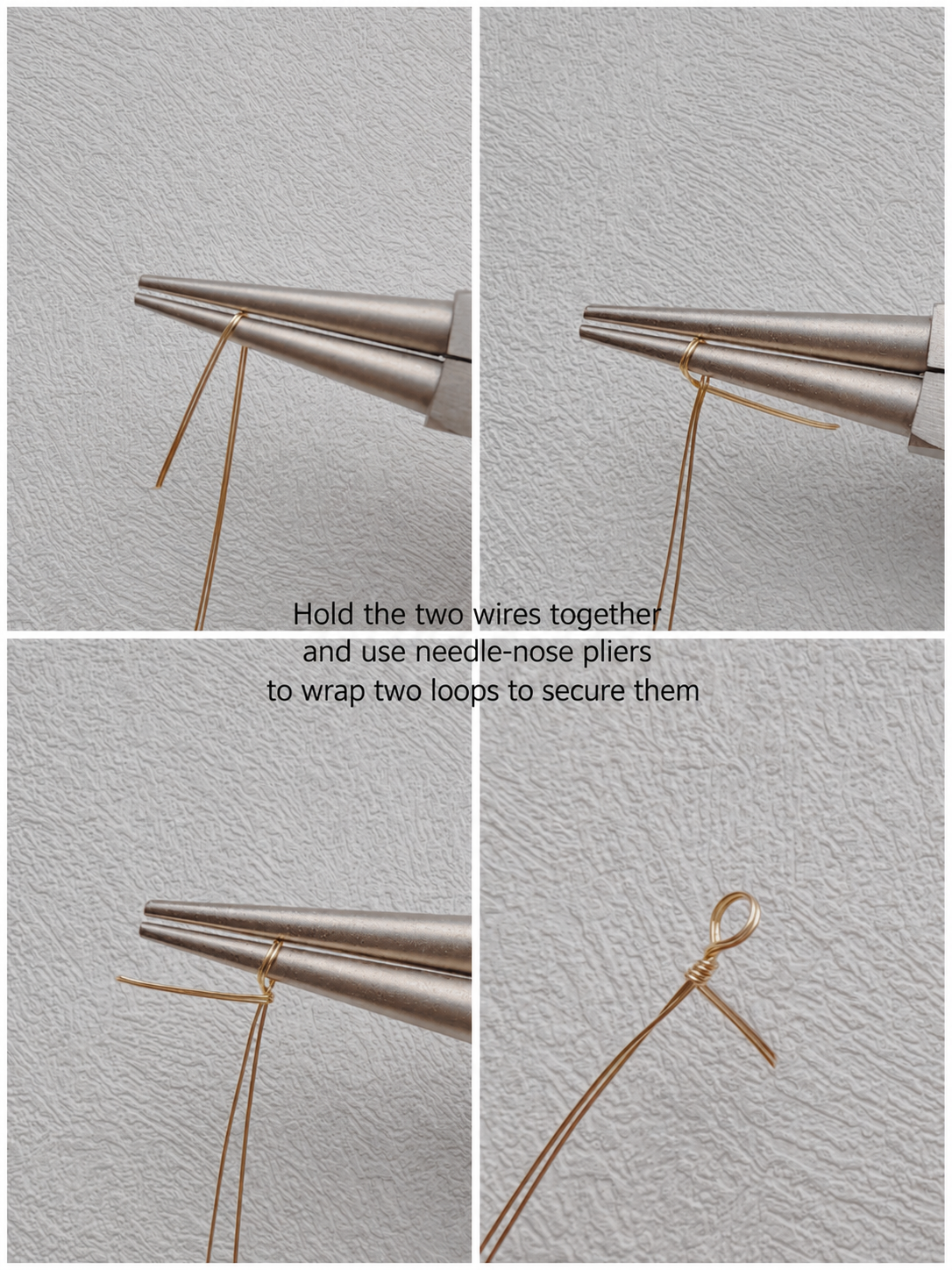
Wire-Loop Connections
Define the connections for pearl drops, earrings or linked elements. Include the loop style, orientation and movement you want in the design brief so the attachment details can be reviewed with the sample.
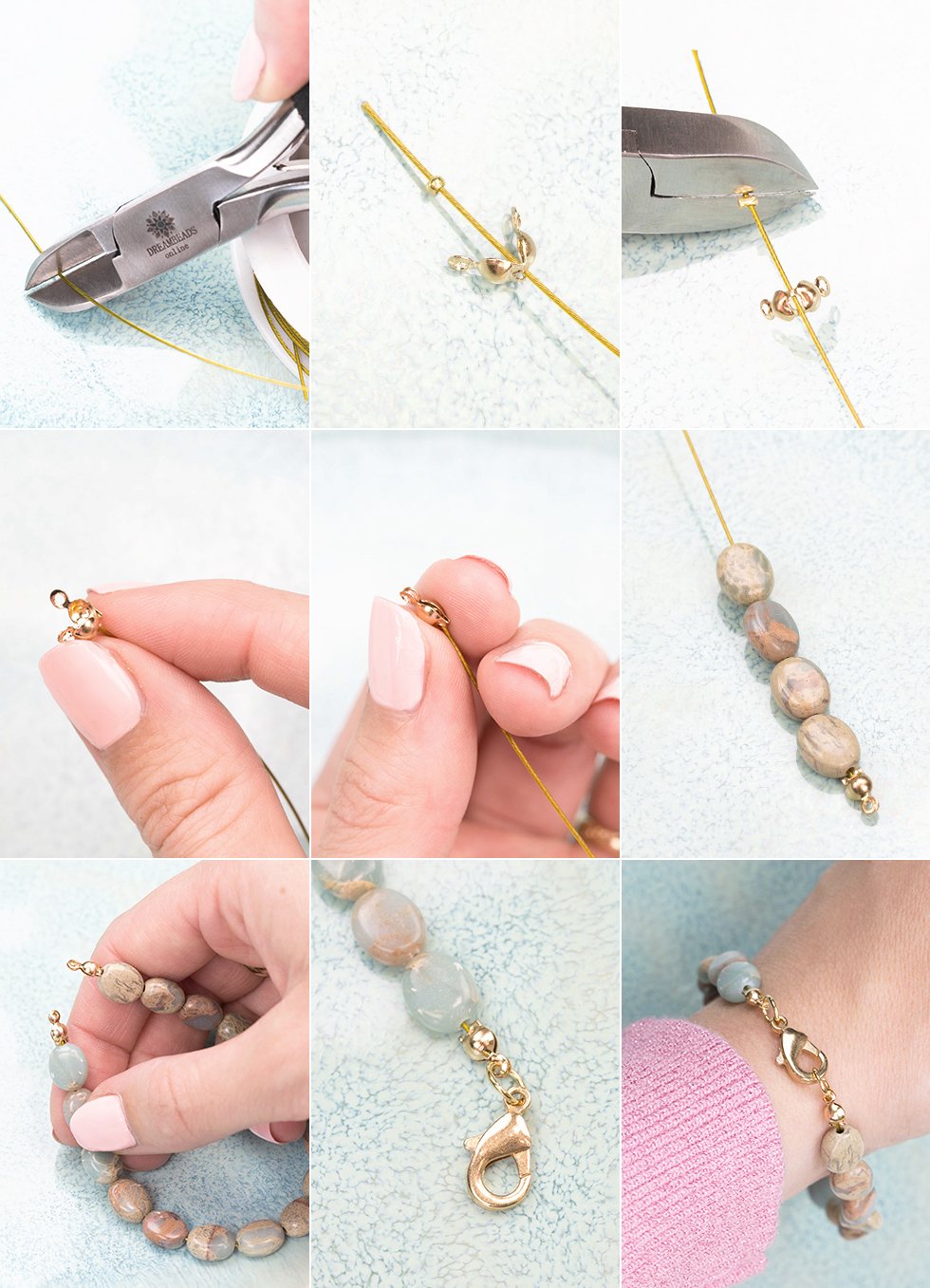
Crimped Strand Ends
For a beaded strand, discuss how the strand ends connect with the chosen clasp and findings. Keep the fastening details with the design specification and review the accepted construction before approving production.
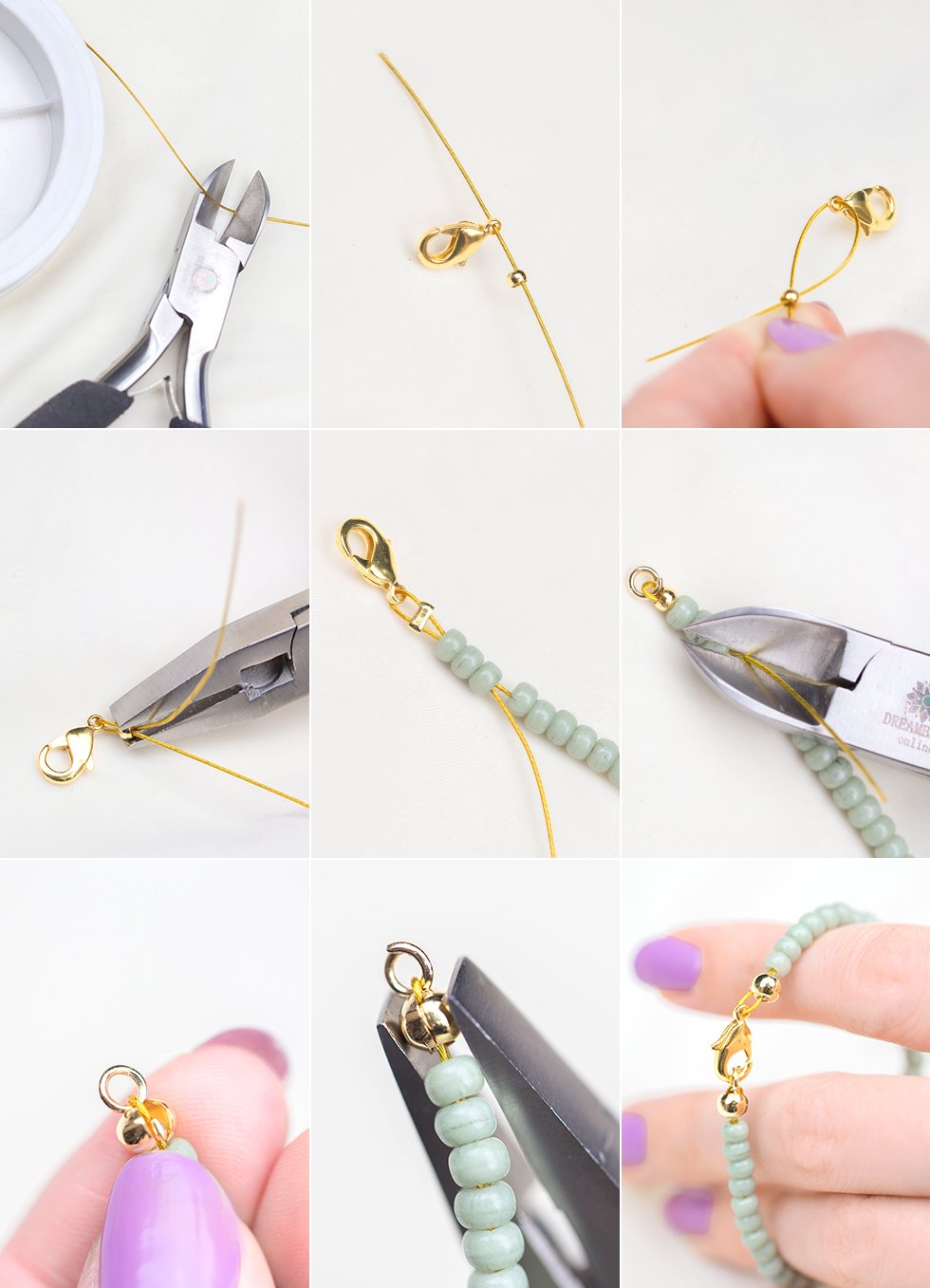
Clasp Attachment
Choose the fastening arrangement as part of the complete design. Confirm the opening style, component dimensions and connection points with the team, rather than selecting a clasp only by its appearance.
Develop a collection with your own direction
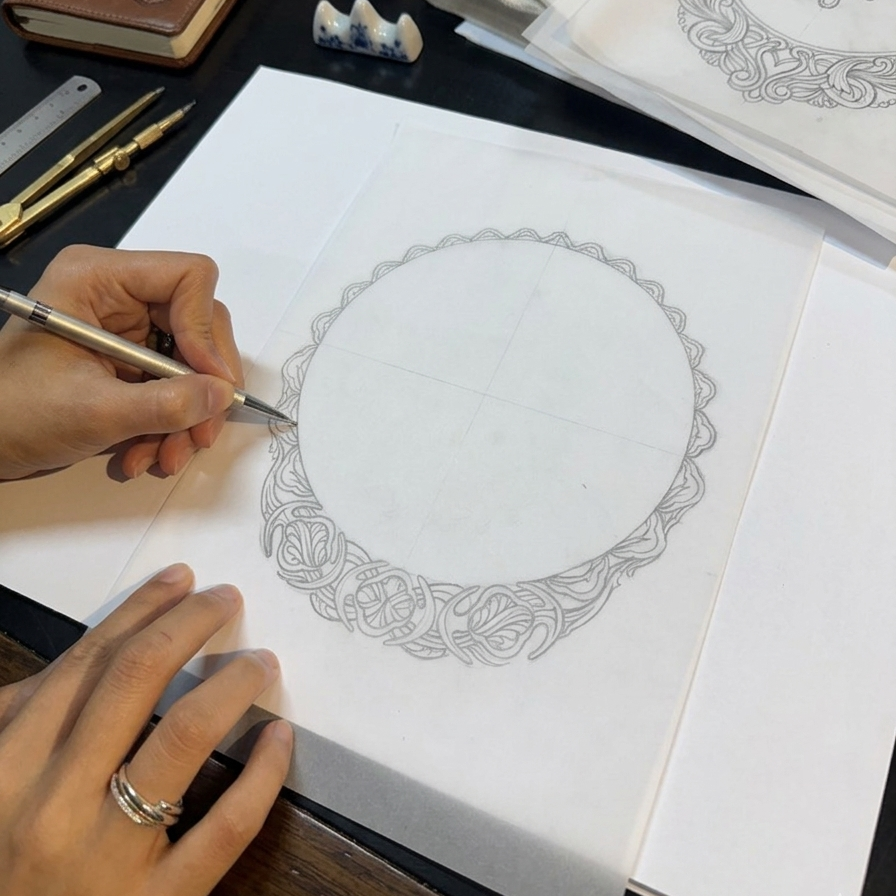
Original Design Development
Send your sketch, reference image or collection idea. Purapeelo reviews the design direction, material requirements and development scope, then uses sampling and approval to define the version intended for your brand.
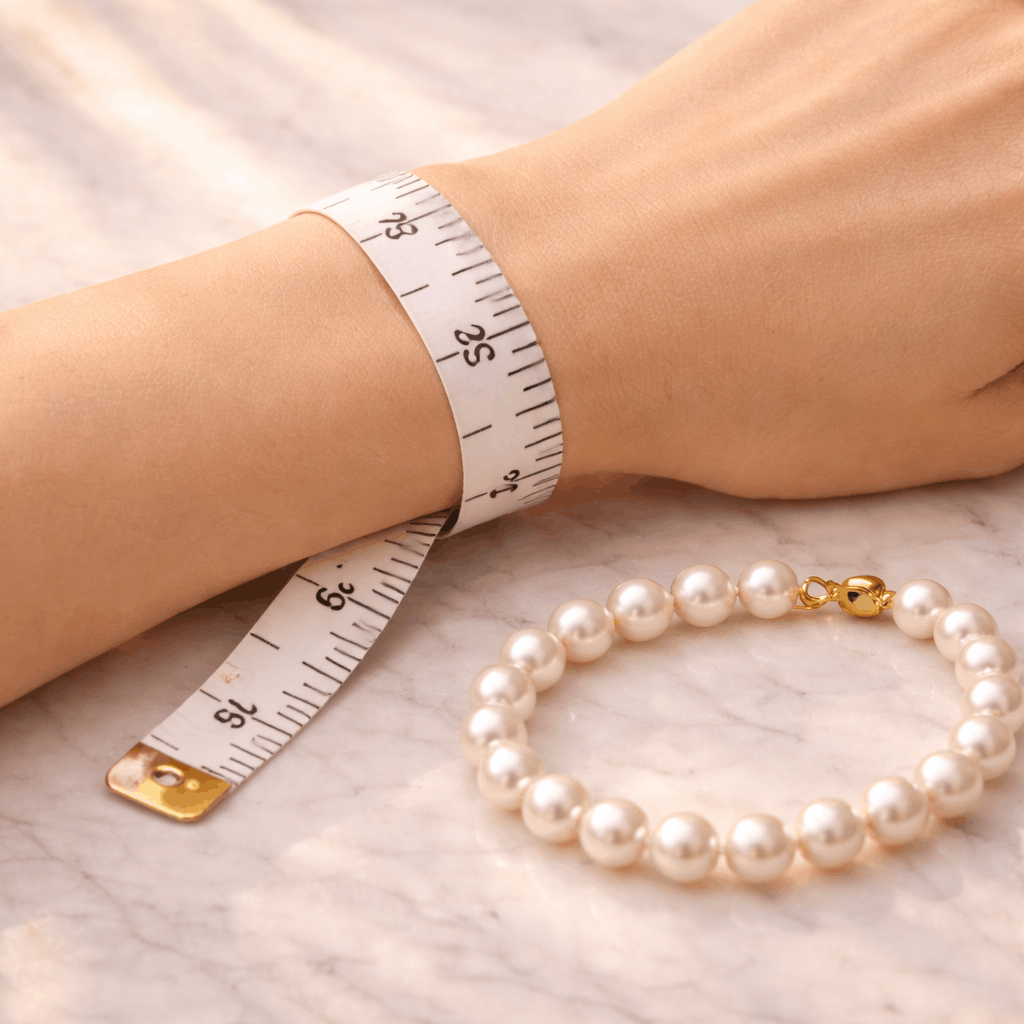
Length & Sizing
Provide the finished length or size required for each style and explain the measurement point. Keep size variants and quantities separate in your brief so the sample and quotation relate to the version you need.
Color & Bead Arrangement
Select a palette from the pearl and stone options. Define bead sequence, proportions and contrasting accents, then confirm the accepted combination through the custom sample. Changes to a stock style are reviewed as custom development.
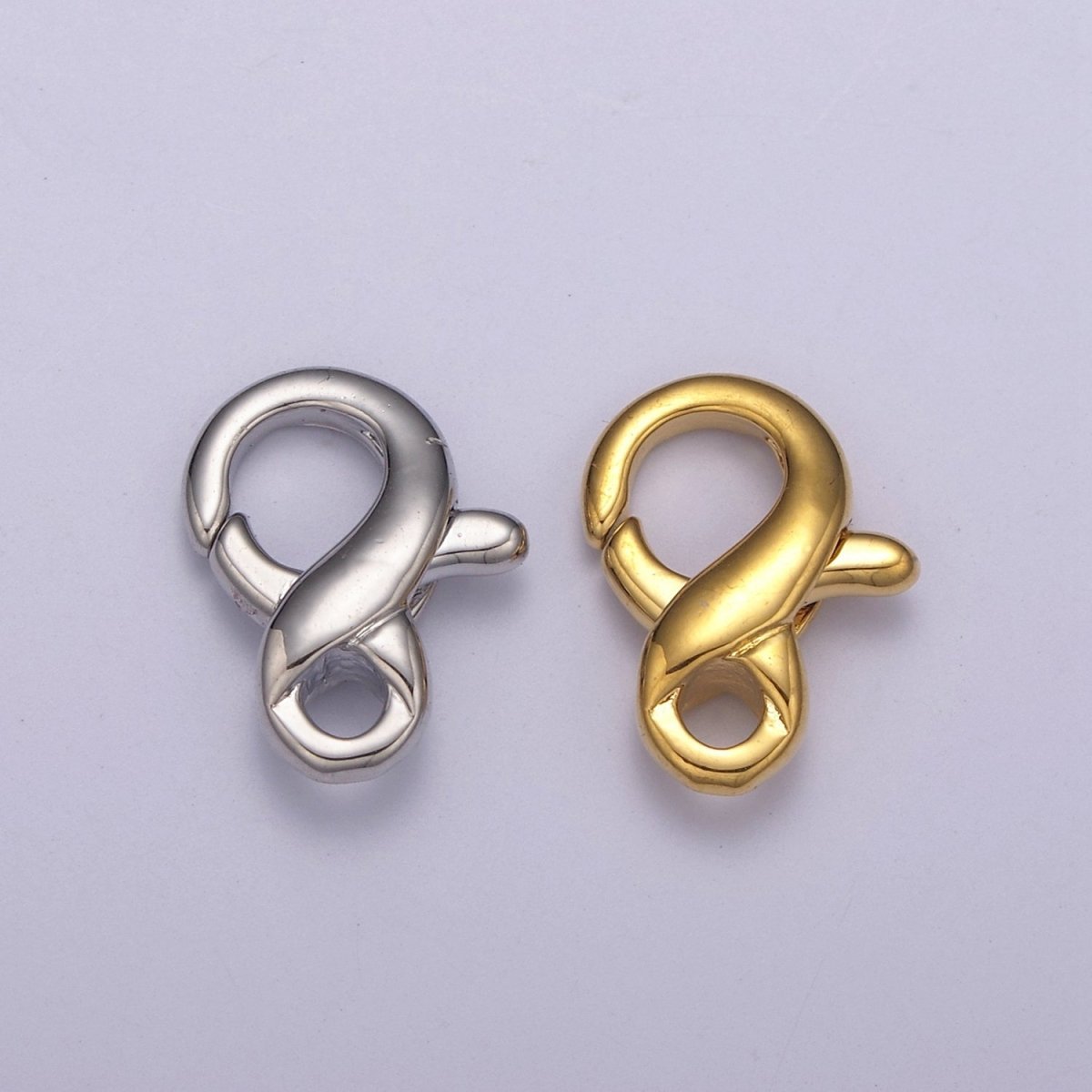
Clasps & Findings
Specify the clasp, hook or connection details that suit your design. Component material, finish and dimensions belong in the project specification and are confirmed for the selected version before an order is agreed.
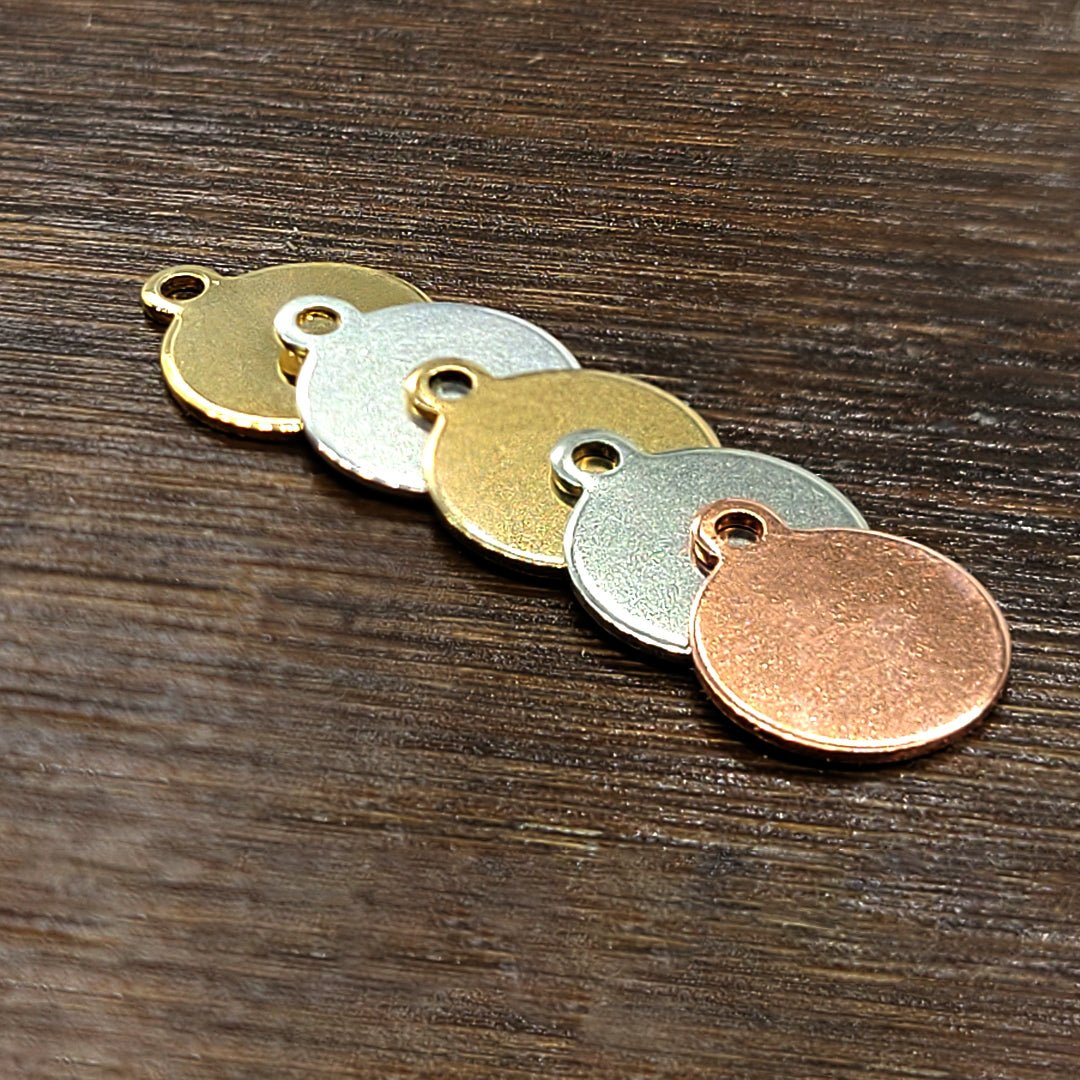
Logo Tags & Private Label
Discuss private-label cooperation and the branding details your collection needs. Send your logo artwork, preferred tag position and dimensions. Tag construction and the branding method are agreed within the project scope.
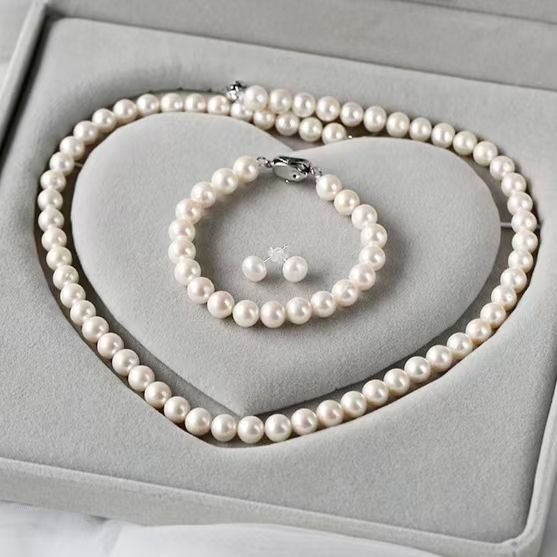
Coordinated Jewelry Sets
Build a related necklace, bracelet, earring or ring selection around one material and design direction. Define the pieces, sizes and quantity split for your collection so each item can be reviewed within the same development brief.
About Purapeelo Custom Jewelry Sourcing
Hangzhou Pujue E-Commerce Co., Ltd., founded in 2016, operates the Purapeelo jewelry brand from Hangzhou, China. Founded by Coral Ye, the company connects natural materials, jewelry design and manufacturing for business buyers.
Purapeelo’s ready-stock wholesale offer includes 185 pearl and semi-precious stone styles. The team also reviews custom development requirements, including project-based OEM, ODM and private-label cooperation, with scope agreed before an order is confirmed.
Send the Purapeelo Team your product references or development brief. We review relevant stock availability or project feasibility, then discuss specifications, quantities and commercial terms for the proposed order.
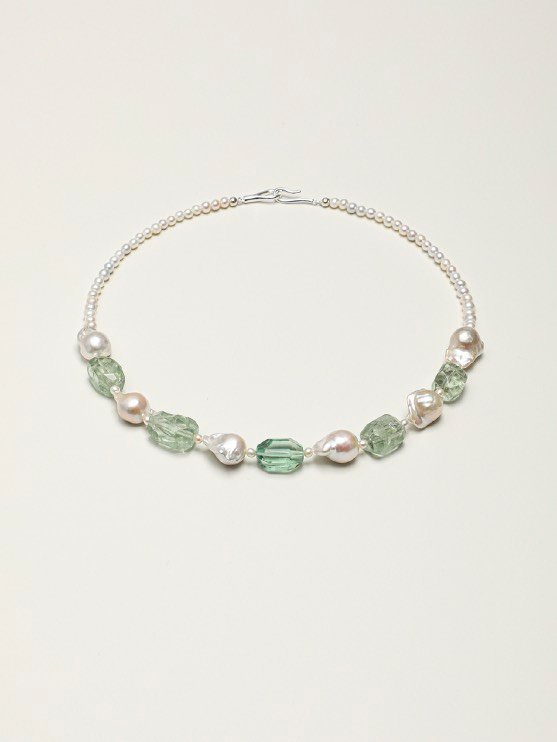
Choose a route for your custom jewelry brief
Custom Bracelet Development
A bracelet brief should state the intended silhouette, material direction, size range and quantities. If your concept is custom diamond jewelry, send reference images and the required product details for review. Buyers seeking Purapeelo’s established natural-material offer can also select ready-stock freshwater pearl and semi-precious stone bracelets or discuss a project-based variation.
Custom Necklace Planning
Necklace development benefits from a clear reference, intended length, material requirements and collection role. Submit these details with quantities and destination so we can review the requested custom jewelry project. For natural-material assortments, Purapeelo offers ready-stock pearl and semi-precious stone necklaces and reviews custom development separately.
Custom Earring Concepts
For earrings, identify the visual reference, dimensions, requested materials and expected quantities before asking for a quote. This helps distinguish a one-off concept from a repeatable business collection. Purapeelo can review custom jewelry requirements by project and offers freshwater pearl and semi-precious stone earrings within its ready-stock catalog.
Coordinated Collection Development
A coordinated collection starts with the relationships between bracelets, necklaces, earrings and rings, not isolated product requests. Share your design direction, product mix, material priorities and quantities for a feasibility discussion. Purapeelo supports natural freshwater pearl and semi-precious stone collections, while other custom jewelry requirements are reviewed against an agreed project scope.
Ready-stock selection or custom development?
Choose ready stock for published pearl and stone styles, or submit a defined brief for a separate custom-development review.
← Swipe left or right to view →
How a Custom Jewelry Project Moves Forward
A practical route from an initial business brief to approved specifications, production, inspection and logistics.
Send Your Project Brief
Provide product references or design images, requested materials, sizes, quantities and destination. The Purapeelo Team reviews ready-stock relevance or custom project feasibility.
Confirm Scope and Materials
For a custom project, clarify the product direction, material requirements and sample needs. Details are developed and reviewed before final order specifications are approved.
Approve Quote and Order Terms
Purapeelo confirms the agreed specifications, project-specific MOQ, quotation and production terms. New clients arrange the negotiated deposit before production; established partners may agree adjusted arrangements.
Proceed with Production
After order confirmation, production follows the approved sample, materials, design requirements and agreed specifications for the project.
Inspect, Settle and Arrange Logistics
Quality control and inspection take place before dispatch. The balance is settled before shipment, and logistics are then arranged for delivery and future reorders.
What to include in a custom jewelry quote request
Show the product direction
Send a design reference, sketch or catalog product code and identify whether you want ready-stock selection or custom development.
Define materials, sizes and quantity
List quantities by style and size, together with requested materials, components or changes from the reference.
Add destination and buying context
State the destination and intended order timing so the team can review the relevant commercial and logistics arrangement.
Confirm the agreed scope
Review the product version, MOQ, sample terms where applicable, payment arrangement and shipment details before confirming an order.
Clarify requirements before quotation
Keep the selected product materials and any agreed component details with the order record.
For custom work, retain the approved sample version and written changes.
Identify any required tests, declarations or labeling details for the team to review.
Agree the comparison reference, packing details and shipment documents needed for the actual order.
Review these points before approving a custom jewelry order
Check that the quotation identifies the correct product code, selected size, material description and quantity split.
For a custom design, keep the approved sample and current specification together so the agreed version is clear.
Confirm the payment milestones, applicable MOQ, inspection scope and dispatch arrangement in the actual order agreement.
Custom Diamond Jewelry FAQ
Practical answers for business buyers exploring a custom diamond jewelry concept or Purapeelo’s natural pearl and semi-precious stone offer.
Can Purapeelo make custom diamond jewelry?
What is the difference between custom diamond jewelry and Purapeelo’s ready-stock offer?
Which business buyers can submit a custom jewelry inquiry?
What information should I send for a custom diamond jewelry project?
Does Purapeelo offer OEM, ODM or private-label jewelry?
How is MOQ decided for custom jewelry?
What happens after I submit a custom jewelry inquiry?
How are payment arrangements handled for custom orders?
A buyer’s guide to custom diamond jewelry sourcing
Use this guide to distinguish a diamond jewelry concept from Purapeelo’s natural-material offer and prepare a stronger business inquiry.
Start with the right custom diamond jewelry brief
Custom diamond jewelry is a business sourcing request, not simply a style name. Before contacting a supplier, decide whether you need a new design, an adaptation of an existing concept, or a collection that must work across several product types. Prepare images or sketches, state the intended customer position, and identify the ring, necklace, bracelet or earring format. Then add the practical details: dimensions, size range, quantities by style and destination. This avoids a vague request that cannot be assessed fairly. Purapeelo welcomes defined custom-development inquiries from brands, wholesalers, retailers, boutiques and distributors. Its core product experience is natural freshwater pearls and semi-precious stones, so a diamond jewelry concept should be presented as a project for review rather than assumed to be a standard catalog offer. A well-organized brief lets the team distinguish custom feasibility from ready-stock selection and discuss the next step with precision.
Separate a diamond concept from the available material offer
The search for custom diamond jewelry can lead buyers to suppliers with very different material specialties. Match your inquiry to the actual offer before building a collection plan. Purapeelo’s established focus is natural freshwater pearl and semi-precious stone jewelry, including crystal and quartz, agate and lapis lazuli. These materials support its published bracelets, necklaces, earrings and rings, as well as relevant custom-development discussions. If your brief requires diamonds or another material outside that core offer, provide complete project information and ask for a review. Do not assume that a familiar jewelry-industry term means every material, construction or specification is available. This distinction protects your buying process: it helps you compare options accurately, preserve time for viable development work and keep your customer promise aligned with the product ultimately agreed. For pearl and stone collections, the material direction can be addressed directly within Purapeelo’s natural-material expertise.
Decide between ready-stock and custom development
Choose ready-stock sourcing when a published style meets your collection needs and speed of product selection matters more than creating a new design. Purapeelo’s ready-stock catalog contains 185 styles: 120 bracelets, 45 necklaces, 19 earrings and one ring. Use product codes, requested sizes, quantities and destination to begin that conversation. Choose custom development when the design direction, material combination, sizing, components or private-label requirements need to be developed around your brief. A custom diamond jewelry request belongs in this second route, subject to project review. Do not blend the two routes into one unclear request. Instead, identify which styles are ready-stock candidates and which require development. This makes it easier to compare scope, obtain a relevant quotation and set internal expectations. A collection can also combine both approaches: select established natural-material styles while separately reviewing a new concept. The critical point is that custom specifications are agreed before an order is confirmed.
Build a reference pack your supplier can evaluate
A useful reference pack shows intent without leaving key decisions to guesswork. Include front and side images where possible, a sketch for features not visible in photographs, and notes about which details are essential versus flexible. Identify the product category, intended dimensions, size requirements and quantity by style. If the request is part of a collection, show how the bracelet, necklace, earrings and ring should relate visually. State the destination as well, because it is part of order planning. For a custom diamond jewelry concept, describe the requested material direction clearly rather than relying only on terms such as luxury or fine. For a natural-material project, specify whether freshwater pearls, crystal and quartz, agate or lapis lazuli are your starting point. You can also review related custom gemstone jewelry ideas when refining the brief. Clear references support an informed feasibility review; they do not replace the need for agreed final specifications.
Plan a coordinated collection, not isolated pieces
Business buyers often gain more from a coherent assortment than from one attractive item. Begin by defining the role of each product: a bracelet may provide an entry point, a necklace may carry the main visual statement, and earrings may complete the set. Then decide what should remain consistent across the range, such as color direction, natural-material emphasis or overall silhouette. Keep product-specific requirements separate. Necklace length, bracelet fit and earring proportions need their own notes even when the collection shares a design language. Purapeelo’s ready-stock assortment covers bracelets, necklaces, earrings and a ring, while custom work is reviewed by project. This gives buyers two ways to plan: select complementary published pearl and stone pieces, or submit a coordinated development brief. If your collection starts from custom diamond jewelry search intent, make the requested scope explicit. The supplier review should establish what can genuinely be developed before your range is presented internally or offered to customers.
Understand quotation and MOQ as project decisions
A meaningful jewelry quotation needs more than a product name and a target number. Purapeelo discusses MOQ according to product complexity, design requirements, materials and quantity requirements. That means there is no responsible universal MOQ answer for every custom jewelry inquiry. Help the quotation process by separating confirmed requirements from options you are still considering. List quantities per style, required sizes, reference images, material direction and destination. Ask internally whether the request is a test assortment, a core replenishment item or a private-label launch, because each can require a different buying decision. For published ready-stock pearl and semi-precious stone jewelry, product codes create a clear starting point. For custom development, quotation follows the review of scope and specifications. Avoid treating an early estimate as an approved production plan. The agreed product version, sample terms where applicable, payment arrangement and logistics details belong in the written order discussion before you proceed.
Use samples to make decisions before bulk production
For custom development, sampling is the point where a concept becomes a specific product decision. Use it to review the agreed design direction, material selection, size and visual relationship between components. Give feedback in a consolidated format so changes can be assessed against one current brief rather than scattered comments. If a decision affects your collection identity, record it clearly before moving to order confirmation. Purapeelo’s process includes design and development, material confirmation, sampling and approval before bulk production for relevant custom projects. This step is especially valuable when a buyer begins with a broad custom diamond jewelry idea but needs to clarify whether the proposed scope fits the project. For natural freshwater pearl and semi-precious stone designs, it also helps confirm how the selected materials work within the intended item. Samples support approval; they do not make unagreed details automatic. Final production follows the specifications and approved sample agreed for the order.
Choose the cooperation model for your brand
Your buying model should fit the responsibility you want to keep in-house. Ready-stock wholesale is practical when you need published natural-material styles and can select from available product directions. Custom development suits a buyer bringing a new design or a defined adaptation request. OEM, ODM and private-label cooperation are available by project agreement, but each should begin with a shared understanding of the product brief and scope. If your priority is branded range building, explain the role of the item within your line, not just its appearance. If you are comparing supply options, consider Purapeelo alongside its jewelry manufacturing approach and natural-material focus. The strongest partnership conversations are practical: they identify who provides the design reference, what needs approval, the expected quantity and the destination. This enables the team and buyer to move from interest to a defined order route without overstating what has not yet been agreed.
Prepare payment, inspection and logistics discussions
Commercial planning should begin while specifications are being finalized, not after production decisions are made. Purapeelo prefers T/T bank transfer for bulk orders and balance payments. PayPal or credit card for samples and smaller orders may be available by agreement. For new clients, a negotiated deposit is required before production; established partners may agree adjusted arrangements. The balance is settled before shipment. Build these points into your internal approval process alongside the product quotation. Also make sure the destination is supplied early, because it is part of the logistics discussion. Purapeelo’s stated workflow includes quality control and inspection before dispatch, followed by balance settlement and logistics arrangements. Buyers should review the written order scope carefully: product version, quantities, materials, sample terms where relevant, payment and shipment details. This is more useful than relying on assumptions from a broad custom diamond jewelry inquiry. A precise order record supports smoother delivery planning and future reorders.
Send an inquiry that earns a useful answer
The best final inquiry is concise but complete. Address it to the Purapeelo Team and include your company type, whether you need ready-stock or custom development, product codes or design references, material requirements, sizes, quantities and destination. For a custom diamond jewelry concept, say exactly what you are asking the team to review and avoid presenting unsupported details as settled facts. For a pearl or stone collection, identify the preferred natural materials and whether you want a published style or a custom variation. Add your intended timing so the team can review the relevant arrangement. You may also explore custom jewelry necklaces or custom jewelry earrings when organizing category-specific briefs. Send your inquiry to info@purapeelo.com or contact the team on WhatsApp at +86 132 5583 6108. A complete brief makes the first reply more specific and creates a sound basis for quotation and project planning.
Discuss your custom jewelry project
Send a design reference or product code, quantities and destination to the Purapeelo Team.